
Behavioral Changes Indicating Dehydration

Dehydration can significantly alter a dog’s usual behavior. Increased panting, a common response to overheating and dehydration, is often more pronounced and lasts longer than normal. A noticeable decrease in energy or enthusiasm for activities they usually enjoy is another red flag. Dogs might also seek cooler places to lie down, indicating their body is trying to regulate its temperature.
In young puppies and senior dogs, these behavioral changes can be more dramatic. Puppies may become irritable or restless, while older dogs might show signs of confusion or disorientation. These age-specific responses underline the importance of monitoring behavior closely in all dogs, but especially those at the extremes of age, who might be more vulnerable to the effects of dehydration.
Severe Dehydration Symptoms

When dehydration becomes severe, symptoms escalate quickly and can become life-threatening. Dogs might exhibit signs of gastrointestinal distress, such as vomiting or diarrhea, which can further dehydrate the body. In extreme cases, there might be a noticeable decrease in urination, or urine may become much darker in color.
Other serious signs include a rapid heart rate, labored breathing, and in some cases, collapse. If a dog displays any of these severe symptoms, immediate veterinary care is necessary. At this stage, dehydration can lead to organ failure and other critical health issues, so prompt medical intervention is crucial to the dog’s survival.
Preventing Dehydration In Dogs
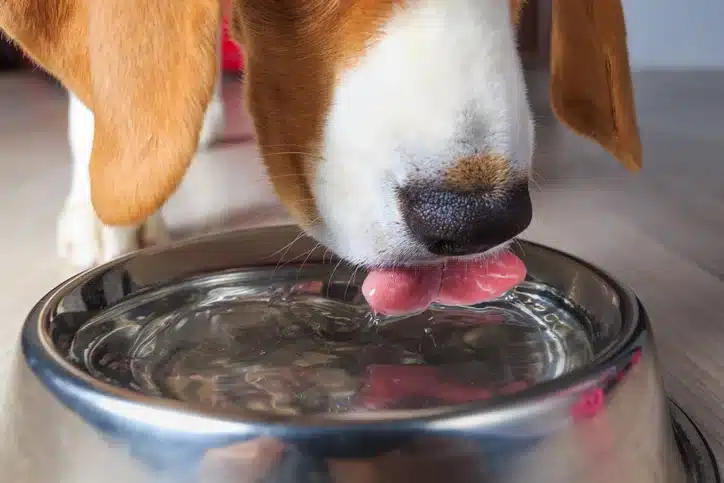
Preventing dehydration is key to maintaining a dog’s health. Ensuring constant access to fresh, clean water is the most straightforward and effective measure. For dogs that spend a lot of time outdoors, multiple water stations should be provided, along with adequate shade and opportunities to cool down.
During hotter months or after exercise, extra attention to a dog’s hydration needs is essential. Adding water or wet food to their diet can help increase fluid intake. Owners can also use ice cubes or special dog-friendly ice treats as an additional source of hydration and a fun way to encourage drinking.
When To See A Veterinarian
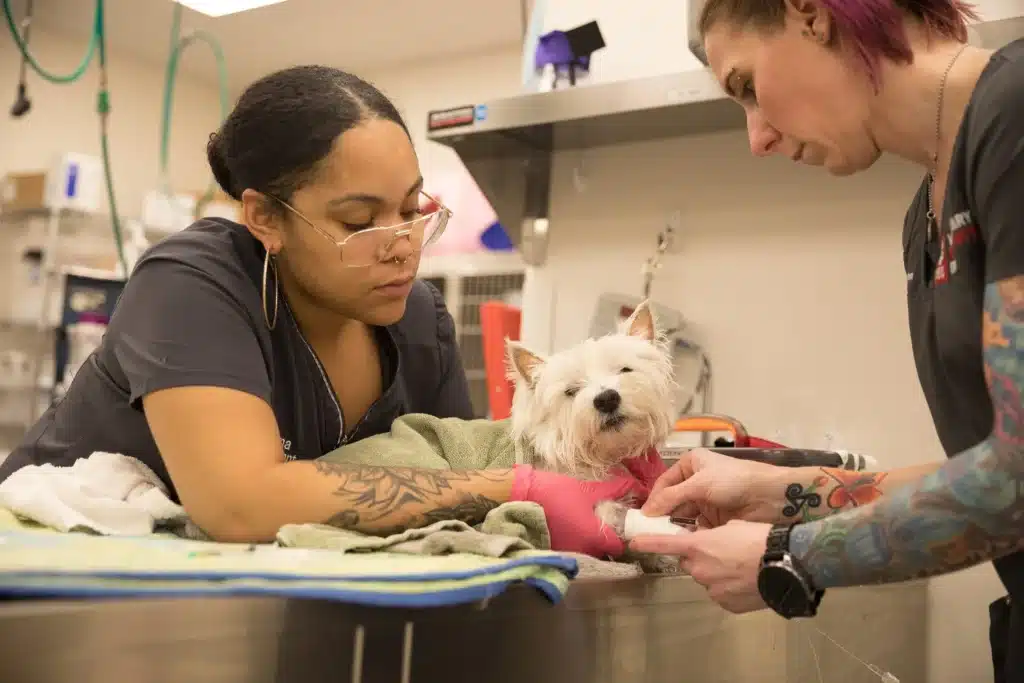
Understanding when to seek veterinary help is crucial in managing dehydration in dogs. If there are any doubts about a dog’s hydration status, especially if any of the earlier mentioned symptoms are observed, a visit to the vet is advisable. Even mild symptoms can escalate quickly, and early veterinary intervention can prevent more serious complications.
Veterinarians can provide various treatments, including fluid therapy, to rehydrate the dog and address the underlying cause of dehydration. Regular check-ups and discussions about a dog’s hydration needs can help owners stay informed and prepared to keep their pets healthy and hydrated.
The Bottom Line
Recognizing and addressing dehydration in dogs is essential for their health and well-being. Owners should be vigilant for any changes in behavior, physical condition, or routine that might indicate dehydration. Regular access to clean water, appropriate shelter, and attentive care are vital. When in doubt, consulting a veterinarian is always the best course of action. Proactive care, including understanding the signs of dehydration and how to prevent it, is key to ensuring a long, healthy life for beloved canine companions.


