Cesar Filets

Cesar Filets, particularly marketed towards small dog breeds, presents itself as a luxurious treat for dogs. However, a critical look at its ingredients reveals some concerning aspects. One of the major issues with Cesar Filets is their high sodium content. While sodium is an essential part of a dog’s diet, excessive amounts can lead to health problems, especially in older dogs or those with existing heart conditions. The high sodium content in Cesar Filets could potentially increase the risk of hypertension and other related health issues, making it a less ideal choice for your dog’s regular diet.
In addition to the high sodium levels, Cesar Filets also include meat byproducts in their ingredients. These byproducts are often of uncertain origin and quality, raising questions about their nutritional value. The use of such ambiguous ingredients can be a cause for concern for pet owners who are keen on knowing exactly what their dogs are consuming. Given these factors, Cesar Filets might not be the best option for those looking to provide their dogs with a diet that is both nutritious and transparent in its composition.
Alpo By Purina

Alpo by Purina has been a subject of controversy in the dog food industry. This brand has faced numerous complaints regarding the health impact of its products on dogs, including reports of illness and even death. These incidents were concerning enough to attract the attention of the FDA, leading to investigations and recalls. Such a history of health concerns makes Alpo a brand that many pet owners might consider avoiding. The involvement of the FDA and the subsequent recalls highlight the potential risks associated with feeding Alpo to dogs, suggesting that the brand’s quality and safety standards may not be up to par.
Beyond the controversies, the ingredient list of Alpo also raises some red flags. Like many other lower-tier dog foods, Alpo relies heavily on fillers and byproducts, which do not provide the high-quality nutrition that dogs need. The use of these inferior ingredients, coupled with the brand’s troubled history, suggests that Alpo may not be the most reliable or nutritious option for your dog.
Diamond Dog Food

Diamond Dog Food markets itself as a premium product at an affordable price, but a closer look at its ingredients tells a different story. The brand tends to rely heavily on plant-based proteins rather than animal-based ones, which is not ideal for a dog’s diet. Dogs, being primarily carnivorous, require high-quality animal proteins for optimal health. The use of plant-based proteins like corn, wheat, and soy in Diamond Dog Food can lead to nutritional imbalances and may not provide all the essential amino acids that dogs need. Additionally, these ingredients are often used as fillers, contributing little to the overall nutritional value of the food.
Another concern with Diamond Dog Food is the frequent inclusion of unnamed meat byproducts. These byproducts are often of unknown origin and quality, making it difficult for pet owners to assess the nutritional value of the food. The lack of transparency regarding these ingredients can be unsettling for those who are conscientious about their dog’s diet. Given these factors, Diamond Dog Food, despite its positioning in the market, may not be the best choice for pet owners who prioritize high-quality, animal-based proteins in their dogs’ diets.
Pedigree
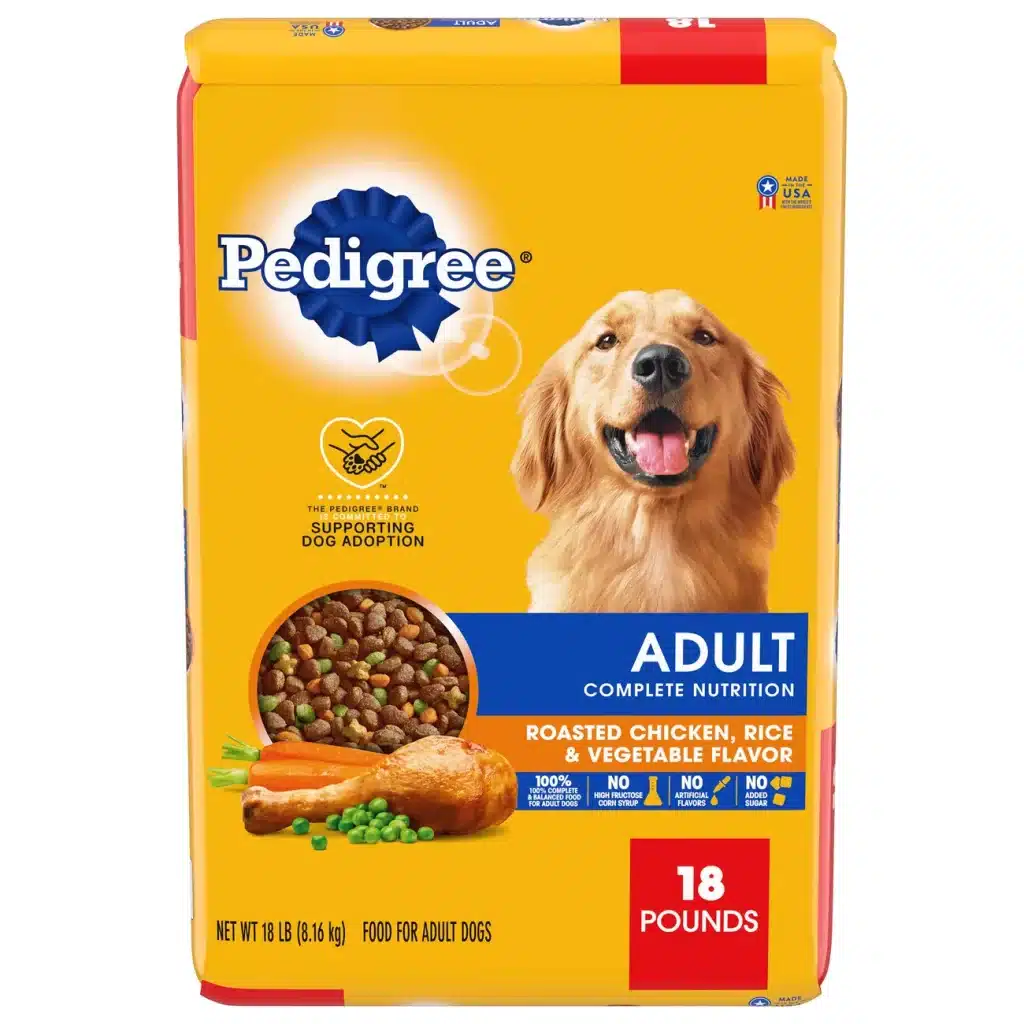
Pedigree is a well-known brand in the dog food market, offering a range of products for different life stages of dogs. However, the brand’s use of whole-grain corn as the primary ingredient is a significant concern. Corn is a common allergen for dogs and is not easily digestible, which can lead to gastrointestinal issues. Additionally, as a filler, corn does not provide the high-quality protein that dogs need for their overall health and well-being. The prominence of corn in Pedigree’s ingredient list suggests that the brand may prioritize cost-saving over nutritional value, which is not ideal for your dog’s diet.
Furthermore, Pedigree dog foods also contain artificial flavors, which are unnecessary and potentially harmful additives. Artificial flavors do not add any nutritional value to the food and can cause adverse reactions in some dogs, especially those with sensitivities or allergies. The inclusion of such synthetic ingredients, along with the reliance on fillers like corn, indicates that Pedigree may not be the most nutritious option available. Pet owners looking for a diet that supports their dog’s health in the best possible way might want to consider other brands focusing more on natural, high-quality ingredients.
Make The Right Choice For Your Dog’s Diet
The health and well-being of your dog largely depend on the quality of food they consume. As responsible pet owners, it’s imperative to scrutinize dog food labels and avoid brands that use harmful fillers, byproducts, and artificial additives. Opting for high-quality, nutritious dog food is a crucial step toward ensuring your furry friend’s long-term health and happiness. Remember, your dog’s diet is in your hands; choose wisely and prioritize their nutritional needs.


