Protecting Your Dog’s Paws From the Elements
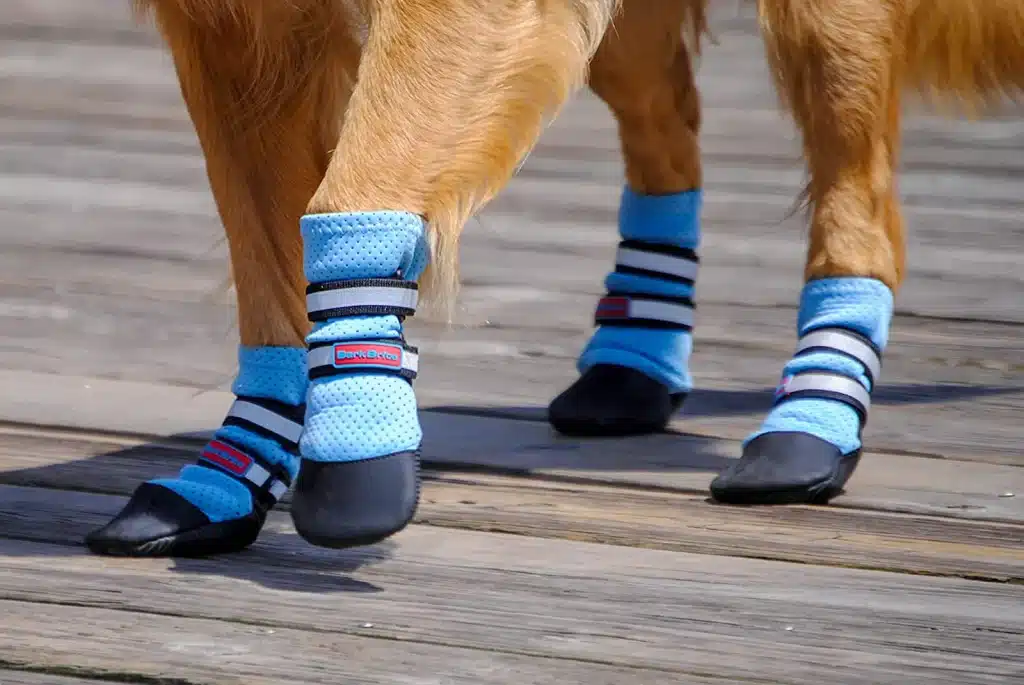
Just like human skin, a dog’s paw pads can be sensitive to different weather conditions. In the summer, hot pavement can cause burns, while icy conditions in winter can lead to frostbite. Regularly checking your dog’s paws and using protective gear when necessary can help prevent these issues. It’s also a good idea to limit their outdoor time during extreme weather conditions.
Apart from weather-related damage, dogs’ paws can also suffer from environmental hazards like sharp objects or harmful substances on the ground. Using dog booties or paw protectors can help shield their paws from these potential dangers. Remember, prevention is always better than cure, so taking steps to protect your dog’s paws can go a long way in ensuring their overall health and comfort.
The Importance of Proper Nail Care

A dog’s nails, if not properly maintained, can cause discomfort and even pain. Overgrown nails can curve into the paw pad, leading to infections, while excessively short nails can result in bleeding. Regular nail trims are essential to maintain proper nail length and prevent these issues. However, if you’re unsure about doing it yourself, it’s best to seek professional help.
Beyond causing physical discomfort, improper nail care can also affect your dog’s posture and gait. Long nails can make walking uncomfortable or even painful, forcing your dog to adjust their posture and putting stress on their joints. Regular nail trims keep your dog comfortable and contribute to their overall mobility and joint health.
Addressing Paw Allergies

Paw allergies are a common issue in dogs, often resulting from exposure to certain allergens like pollen, mold, dust mites, or specific food items. Symptoms can include excessive licking or chewing of the paws, redness, swelling, and sometimes even sores or infections. If you suspect your dog has a paw allergy, it’s important to consult with a vet who can diagnose the condition and recommend appropriate treatment.
Managing paw allergies often involves removing or reducing exposure to the allergen alongside medication to alleviate symptoms. Regular paw cleaning can also help by removing allergens that may get stuck on your dog’s paws. Remember, each dog is unique, so what works for one might not work for another. It’s always best to follow your vet’s advice when it comes to treating allergies.
Recognizing When to Seek Professional Help

While regular home care is essential for maintaining your dog’s paw health, there are instances when professional help is necessary. Severe injuries, persistent symptoms despite home treatment, or signs of serious conditions like tumors warrant a visit to the vet. Early detection and intervention can make a significant difference in your dog’s recovery and long-term health.
Knowing when to seek professional help is just as crucial as providing regular home care. While it can be tempting to try and treat all issues at home, some conditions require professional diagnosis and treatment. Always remember that your vet is a valuable resource when it comes to your dog’s health. Don’t hesitate to reach out if you’re concerned about your dog’s paws.
Stride Towards Superior Paw Care
Caring for your dog extends beyond feeding them properly and providing regular exercise. It involves paying close attention to all aspects of their health, including their paws. Remember, your dog’s paws are their connection to the world, and maintaining their health can significantly improve your dog’s quality of life. So, step forward and embrace the journey of paw care, ensuring that your furry friends walk comfortably and happily throughout their lives.


