Delving into the world of dog care, the choice between harnesses vs. collars is a critical decision for every dog owner. This choice is not just about style or convenience; it significantly impacts the well-being and behavior of your canine companion. With a myriad of options available, understanding the nuances of each is essential. This article aims to shed light on the differences, benefits, and drawbacks of harnesses and collars, guiding dog owners toward making an informed decision that best suits their furry friend’s needs.
Historical Evolution And Current Trends

The history of dog collars dates back thousands of years, originally serving as a means to protect dogs from predators and later evolving into symbols of ownership and status. In ancient times, collars were often elaborately designed, reflecting the wealth and status of the owner. As dog ownership shifted towards companionship rather than utility, the focus on collars transitioned to functionality and safety. In contrast, harnesses, traditionally used for working dogs to pull loads, have gained popularity in recent years for pet dogs. This shift is partly due to increased awareness of canine health and behavior, leading owners to seek alternatives that offer better control and reduce strain on the dog’s neck.
Harnesses and collars have undergone significant changes in design and material to suit modern dog owners’ needs. Today, the market is flooded with various styles, each claiming to offer unique benefits. From simple leather collars to ergonomic harnesses, the evolution reflects a growing understanding of canine anatomy and behavior. The current trend leans towards personalized options, with owners increasingly looking for products that cater to their dog’s specific breed, size, and lifestyle. This trend is not just about aesthetics; it’s about providing the best care and comfort for dogs, ensuring their safety and well-being in various environments.
Safety Concerns

When it comes to safety, the debate between harnesses and collars is significant. Traditional collars, while popular, can pose risks, especially for dogs that pull or lunge. The pressure exerted on the neck can lead to injuries in the trachea and cervical spine, particularly in smaller breeds or dogs with pre-existing neck issues. This concern has steered many owners towards harnesses, which distribute pressure more evenly across the body, reducing the risk of neck injuries. Additionally, harnesses are often seen as a safer option for dogs that are adept at slipping out of collars, providing a more secure fit.
However, harnesses are not without their safety considerations. An improperly fitted harness can lead to chafing and discomfort and, in some cases, can even exacerbate issues with pulling if it allows the dog too much leverage. It’s crucial for dog owners to understand that safety largely depends on choosing the right type of harness or collar and ensuring it fits correctly. For instance, a front-clip harness can discourage pulling, while a well-fitted collar can be safe for dogs that do not have a tendency to pull or have respiratory issues. The key is to assess each dog’s individual needs and behaviors when making this choice.
Training And Control

The impact of harnesses and collars on training and control is a topic of much discussion among dog owners and trainers. Collars, particularly those designed for training like choke chains and prong collars, have been traditional tools for teaching dogs to walk politely on a leash. These collars work by applying pressure when the dog pulls, encouraging them to stay close to the owner. However, there is growing concern about the potential negative effects of these training methods, including stress and physical harm to the dog.
Harnesses, on the other hand, are often recommended for dogs that are strong pullers or have not yet mastered leash manners. A harness can provide more control without the same level of discomfort or risk of injury as a training collar. Especially front-clip harnesses, which redirect a dog’s momentum toward the owner, making it easier to manage pulling behavior. However, it’s important to note that while harnesses can aid in training, they are not a substitute for proper training techniques. Consistent, positive reinforcement training is essential, regardless of whether a harness or collar is used. The goal should always be to train the dog to walk calmly without relying solely on the equipment.
Comfort And Fit
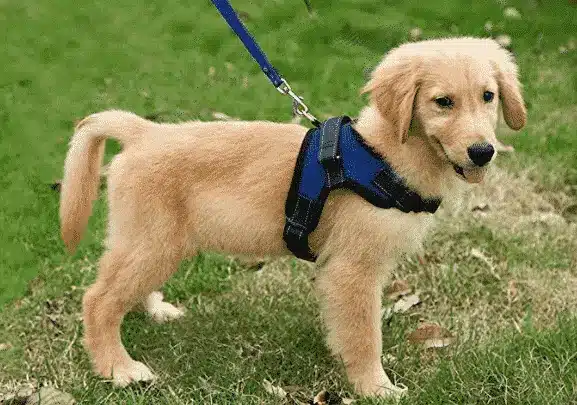
Comfort and fit are paramount when selecting either a harness or a collar. A poorly fitted collar can lead to discomfort and, in severe cases, injury to the dog’s neck or throat. It’s crucial that collars are snug enough to prevent the dog from slipping out yet loose enough not to cause constriction or rubbing. Materials also play a role in comfort; soft, breathable fabrics can prevent irritation, especially in breeds with sensitive skin.
Harnesses require careful consideration regarding fit, as an ill-fitting harness can cause chafing, restrict movement, or even lead to escape. The harness design should accommodate the dog’s body shape and size, ensuring even distribution of pressure without impinging on the dog’s ability to move freely. This is particularly important for breeds with unique body shapes, such as greyhounds or bulldogs, where standard harnesses may not fit properly. Additionally, many harnesses offer adjustments at multiple points, which is essential for growing puppies or dogs that fluctuate in weight. The right fit not only ensures comfort but also enhances the effectiveness of the harness in providing control and safety.


