Environmental Enrichment for Your Dog
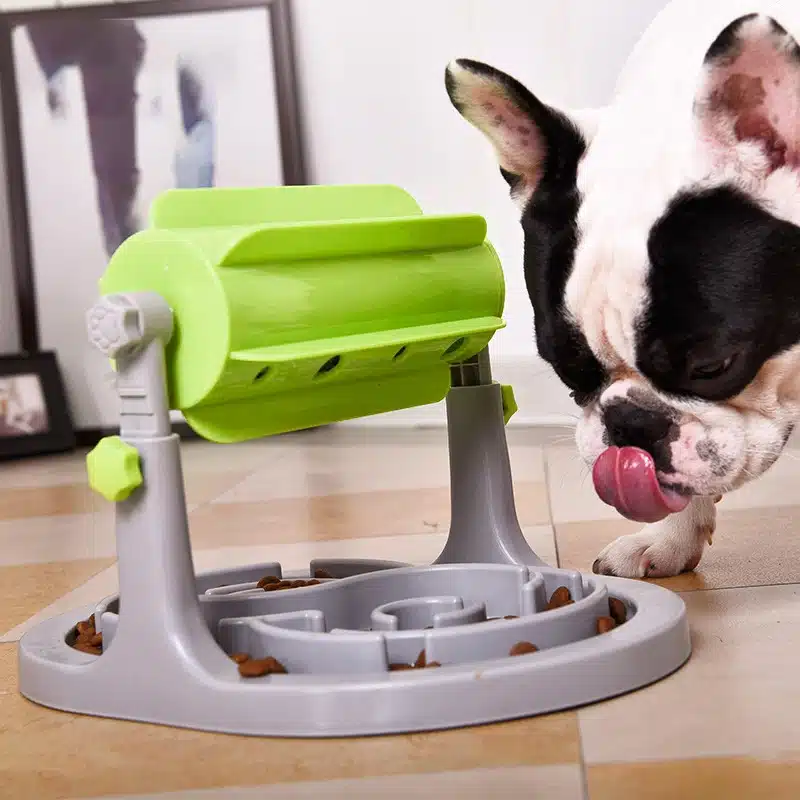
Environmental enrichment is crucial for dogs, especially those with separation anxiety. Providing mental and physical stimulation can significantly reduce anxiety-related behaviors. Interactive toys, puzzle feeders, and regular playtime can keep a dog mentally stimulated, while physical exercises like walks and play sessions can help expend pent-up energy and reduce anxiety.
Creating a dog-friendly environment involves more than just physical space. It means ensuring the dog has access to comfortable resting areas, engaging toys, and opportunities for exercise and exploration. For dogs with separation anxiety, having familiar objects, like a piece of the owner’s clothing, can provide comfort and reduce stress. The aim is to create an environment where the dog feels safe, engaged, and relaxed, even in the owner’s absence.
Professional Help and Therapies

Sometimes, professional intervention is necessary to address severe cases of separation anxiety in dogs. Veterinarians and animal behaviorists can offer valuable insights and treatment plans tailored to individual dogs. This may include behavioral therapy, environmental modifications, and, in some cases, medication to help manage anxiety.
Alternative therapies can also play a role in treating separation anxiety. These might include pheromone diffusers, which emit calming chemicals similar to those produced by mother dogs, or natural supplements designed to soothe anxiety. Owners need to approach these therapies with an understanding that they are complementary to behavioral and environmental strategies, not replacements. Consulting with professionals ensures that any chosen method is safe and effective for the dog’s specific needs.
Supporting Your Dog During Your Absence

Supporting a dog during the owner’s absence involves practical steps to minimize anxiety. One helpful strategy is to create a departure routine that is calm and uneventful, reducing the dog’s stress. Leaving a worn shirt or a blanket with the owner’s scent can comfort the dog, as can leaving calming music or a TV on at a low volume to provide familiar background noise.
In today’s technology-driven world, various tools are available to help monitor and interact with pets during absences. Cameras and interactive toys can keep dogs engaged, allowing owners to observe and even remotely communicate with their pets. For dogs with severe separation anxiety, considering options like doggy daycare or hiring a pet sitter can be beneficial, providing the dog with companionship and reducing the stress of being alone.
Maintaining a Consistent Routine
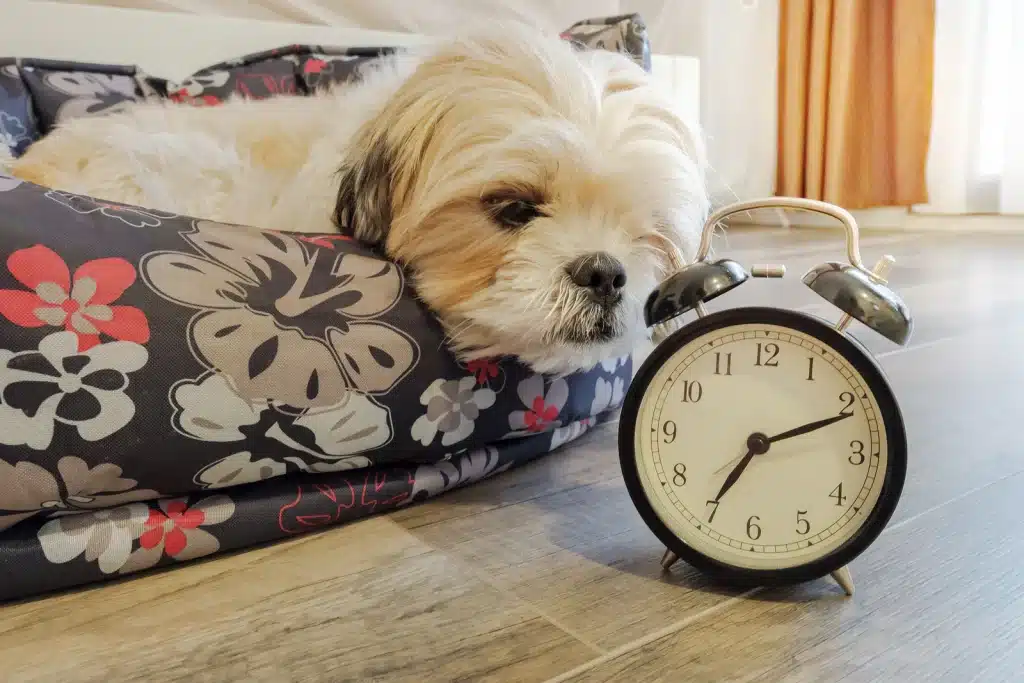
A consistent daily routine is crucial for dogs, especially those with separation anxiety. This includes regular feeding times, walks, and play sessions. A predictable schedule helps the dog feel secure and reduces anxiety triggered by unpredictability. Consistency also extends to training and behavior expectations, reinforcing a sense of normalcy and stability for the dog.
Adjusting the routine to gradually increase the time the dog spends alone can also be helpful. This might involve leaving the dog alone for short periods and gradually increasing the duration, always ensuring the dog is comfortable and anxiety-free during these times. Consistency in these practices reassures the dog that the owner will return and that being alone is a normal, non-threatening part of their day.
The Bottom Line
Handling a dog’s separation anxiety requires a multifaceted approach, combining understanding, prevention, and management strategies. Recognizing the signs of anxiety, providing a safe and stimulating environment, seeking professional help when needed, and maintaining a consistent routine are all essential components. Above all, building a strong, loving bond with the dog is the foundation upon which all these strategies rest. With patience, consistency, and empathy, owners can help their dogs overcome separation anxiety, leading to happier, healthier lives for both the dog and its owner. This journey improves the dog’s well-being and deepens the bond between pet and owner, a relationship built on trust, understanding, and care.


