

Common Misconceptions About Grain-Free Diets

One of the most prevalent misconceptions about grain-free diets is that they are inherently healthier and more natural for all dogs. This belief has led many pet owners to switch their dogs to grain-free foods without a thorough understanding of their pet’s nutritional needs or the potential implications of such a diet change. While some dogs may benefit from grain-free diets, especially those with specific allergies or sensitivities, this does not mean that all grains are bad for all dogs. Nutrition should be personalized, and what works for one dog might not be suitable for another.
Another misconception is that grain-free diets are equivalent to low-carbohydrate diets, which can contribute to weight management and better health. However, grain-free does not necessarily mean low-carb; many grain-free dog foods replace grains with other carbohydrate sources like potatoes or legumes, which can have similar or even higher carbohydrate contents. The key is to understand the nutritional makeup of a diet and how it aligns with a dog’s specific needs rather than making assumptions based on the absence of a single ingredient category.
Scientific Evidence and Veterinary Views

The debate over grain-free diets often circles back to the lack of robust scientific evidence either strongly supporting or condemning these diets for the general dog population. Veterinary experts tend to agree that more research is needed to conclusively determine the benefits and risks of grain-free diets. However, some studies have raised concerns, particularly regarding the potential link between certain grain-free diets and heart disease in dogs. Veterinarians emphasize the importance of choosing a diet based on a dog’s specific health needs rather than trends and suggest consulting with a professional before making significant changes to a pet’s diet.
Veterinary professionals often highlight the necessity of a balanced diet that meets all of a dog’s nutritional requirements, cautioning against the one-size-fits-all approach of some grain-free diet proponents. They stress that while some dogs may require grain-free diets due to allergies or sensitivities, these cases do not represent the majority of the canine population. In the absence of a clear medical justification, vets recommend feeding dogs a variety of foods, including those with grains, to ensure a balanced intake of nutrients.
Potential Risks and Side Effects
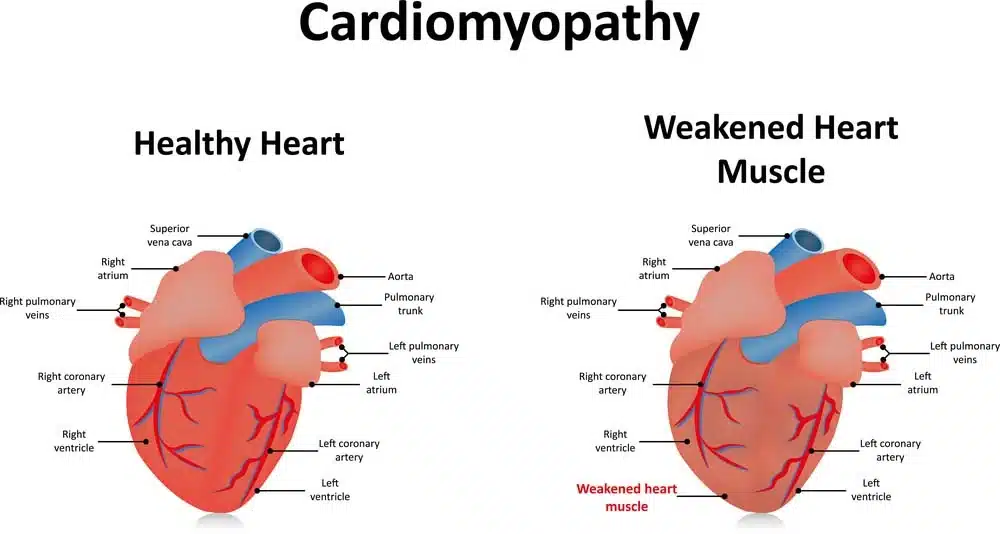
Recent research has pointed to a potential link between grain-free diets high in legumes or potatoes and an increased risk of dilated cardiomyopathy (DCM) in certain breeds. This condition affects the heart muscle, leading to decreased heart pumping function and, if untreated, can lead to heart failure. The FDA has issued warnings regarding this possible association, urging pet owners to be cautious with grain-free diets and consult their veterinarians. This development has sparked a reevaluation of grain-free diets among many dog owners, highlighting the importance of basing dietary choices on scientific evidence rather than marketing claims.
Besides the potential risk of DCM, other concerns associated with grain-free diets include nutritional imbalances and deficiencies. Some grain-free foods may lack the essential nutrients that grains typically provide, leading to long-term health issues. For instance, grains are a source of certain vitamins and minerals, as well as fiber, which plays a crucial role in digestive health. Pet owners are encouraged to look beyond the grain-free label and assess the overall nutritional profile of their dog’s diet, ensuring it meets all necessary dietary requirements for a healthy life.
Choosing the Right Diet for Your Dog

Selecting the appropriate diet for a dog involves considering various factors, including age, breed, weight, activity level, and health status. Dogs have diverse nutritional needs that change throughout their life stages, and what may be suitable for one dog might not work for another. For example, active breeds may require diets higher in protein and fat, while overweight dogs might benefit from lower-calorie food. Understanding these nuances is crucial in choosing a diet that supports a dog’s overall health and well-being, emphasizing the importance of customization in canine nutrition.
Consultation with a veterinarian is paramount when determining the best diet for your dog. Vets can provide valuable insights based on your dog’s health history, conduct necessary allergy tests, and recommend specific dietary adjustments. They can also help debunk common diet myths and provide guidance on reading pet food labels, ensuring you make informed decisions that promote your dog’s health. Ultimately, the goal is to select a diet that meets your dog’s unique nutritional needs, fostering a long, healthy, and happy life.
The Best Bite for Your Best Friend
Determining the best diet for your dog is a responsibility that demands attention to detail, research, and professional advice. Grain-free diets have their place in canine nutrition for specific needs but aren’t a one-size-fits-all solution. By prioritizing your pet’s unique health requirements and staying informed about the latest veterinary science, you can make choices that enhance their health and happiness. This journey towards understanding what’s truly beneficial for your canine companion underscores your deep bond and commitment to their well-being.


