Digestive health is a crucial aspect of a cat’s overall well-being. While these graceful creatures often mask their discomfort, understanding the signs of digestive problems is essential for cat owners. Cat digestive issues range from minor inconveniences to serious health concerns, affecting their quality of life. This article delves into the anatomy of the feline digestive system, common symptoms of digestive ailments, specific conditions like hairballs, food intolerances, and Inflammatory Bowel Disease (IBD), and the impact of age and lifestyle. It also offers guidance on when to seek veterinary care, aiming to equip cat owners with the knowledge to ensure their furry companions stay healthy and happy.
Understanding the Feline Digestive System

Cats have a unique digestive system tailored to their predatory nature. It consists of several key organs, including the mouth, esophagus, stomach, small and large intestines, and accessory organs like the liver and pancreas. This system is designed to efficiently process meat, extracting essential nutrients while eliminating waste. The health of each component is vital, as a problem in one area can affect the entire digestive process. Understanding this system is the first step in recognizing and addressing digestive issues in felines.
Efficient digestion in cats is not just about processing food; it’s integral to their overall health. A well-functioning digestive system ensures cats get nutrients and energy from their diet. It also plays a significant role in their immune response. A disruption in this system can lead to various health issues, ranging from mild discomfort to more severe conditions. Therefore, understanding how the feline digestive system operates is essential for identifying and managing potential problems.
Common Symptoms of Digestive Problems in Cats

Cats often hide their discomfort, making it challenging to identify digestive issues. However, some common symptoms include vomiting, diarrhea, constipation, and loss of appetite. Vomiting can range from an occasional, non-concerning event to a sign of serious illness, depending on its frequency and appearance. Diarrhea and constipation, while sometimes benign, can also indicate underlying health issues when persistent.
Loss of appetite and weight loss are particularly concerning symptoms. These may indicate a range of problems, from stress and minor illnesses to more serious conditions like liver disease or cancer. Cat owners should observe their pets closely and note any changes in eating habits or body weight. Early detection of these symptoms can lead to more effective treatment and a better prognosis.
Hairballs: More Than Just a Mess
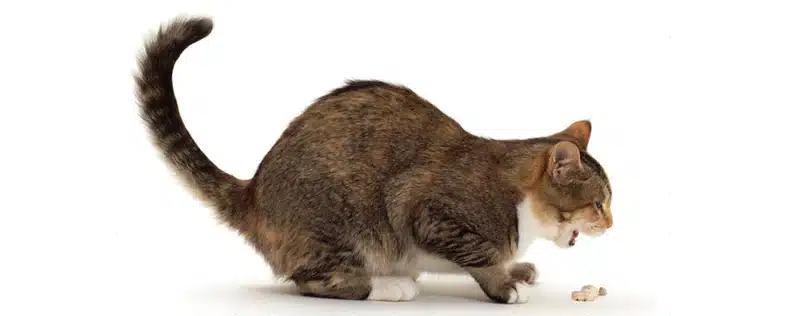
While common in cats, hairballs can sometimes be a symptom of underlying digestive problems. Cats ingest These clumps of hair during grooming, which may accumulate in the stomach and intestines. Although most hairballs are harmlessly expelled, they can occasionally cause blockages, indicating a more serious issue.
Preventive measures include regular grooming to reduce the amount of hair ingested and specialized cat foods designed to improve hairball control. If a cat frequently produces hairballs, especially with accompanying symptoms like vomiting or constipation, it may indicate a chronic digestive issue. A veterinary consultation is recommended to rule out any underlying conditions in such cases.
Food Intolerances and Allergies

Food intolerances and allergies can significantly affect a cat’s digestive health. Food intolerances usually manifest as gastrointestinal symptoms like diarrhea or vomiting, while allergies can cause various symptoms, including skin irritations and respiratory issues. Common cat allergens include certain beef, dairy products, and seafood proteins.
Identifying and managing food intolerances and allergies can be challenging. It often involves dietary trials with hypoallergenic foods and close monitoring of symptoms. Once the offending allergen is identified, avoiding it can greatly improve the cat’s quality of life. Veterinary guidance ensures the cat receives a balanced diet while eliminating allergens.


