Ginger’s Role In Cardiovascular Health

Research into ginger’s impact on cardiovascular health has uncovered promising results for its application in canine care. The spice’s ability to improve blood circulation is of particular interest, as it may help support heart health and prevent blood clots. Dogs with cardiovascular issues could benefit from ginger’s vasodilating properties, which help relax blood vessels and enhance blood flow throughout the body. This improved circulation can contribute to the overall well-being of dogs, supporting heart function and potentially reducing the risk of heart-related diseases.
Furthermore, ginger’s antioxidant properties play a crucial role in protecting the heart and vascular system from oxidative stress and inflammation. These effects can be particularly advantageous for senior dogs, whose cardiovascular systems may be more vulnerable to age-related decline. By incorporating ginger into the diet, pet owners can provide their dogs with a natural supplement that supports cardiovascular health, alongside a balanced diet and regular exercise. However, it’s essential to consult with a veterinarian to ensure ginger is appropriate for a dog’s specific health profile and needs.
Immune System Boost And Antioxidant Properties

Ginger’s rich antioxidant profile makes it an excellent supplement for enhancing a dog’s immune system. Antioxidants combat free radicals in the body, reducing oxidative stress and preventing cellular damage. This action is crucial for maintaining a robust immune system capable of warding off infections and diseases. By adding ginger to a dog’s diet, pet owners can help fortify their pet’s natural defenses, promoting overall health and longevity.
The specific antioxidants found in ginger, including gingerols and shogaols, offer broad-spectrum support for canine health. These compounds not only bolster the immune system but also contribute to the body’s anti-inflammatory and anticancer defenses. Given the importance of a strong immune system in combating a wide range of health issues, ginger’s contribution to immune health can be a valuable addition to a dog’s nutritional regimen. As always, the introduction of ginger should be done under veterinary guidance to ensure it complements the dog’s existing diet and health condition.
Dosage And Safety Considerations
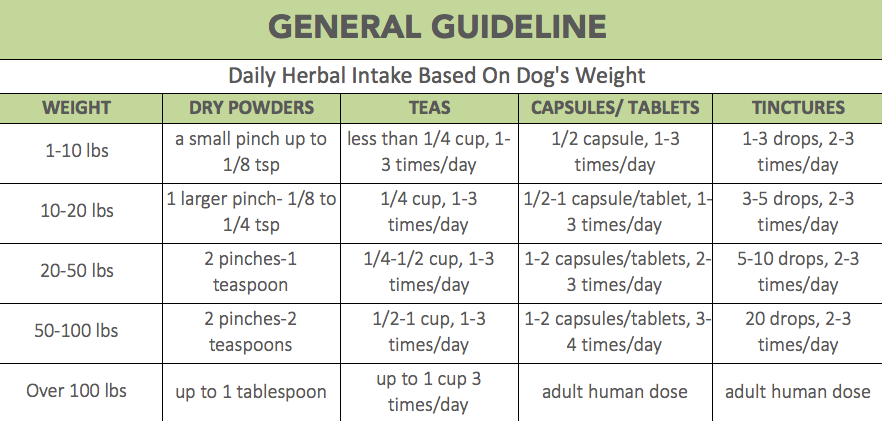
Determining the correct dosage of ginger for dogs is critical to maximizing its benefits while avoiding any potential adverse effects. The appropriate amount can vary based on a dog’s size, weight, and overall health condition. Pet owners should start with a small dose and gradually increase it, observing their dog’s reaction to the supplement. Consulting with a veterinarian is essential to establish a safe and effective dosage tailored to the dog’s specific needs.
While ginger is generally safe for dogs when used in moderation, it’s important to recognize that every dog reacts differently to new foods or supplements. Signs of an adverse reaction can include gastrointestinal upset, such as diarrhea or vomiting. If any negative symptoms occur, it’s advisable to discontinue ginger and consult with a veterinarian. The goal is to ensure that ginger serves as a beneficial addition to a dog’s diet without causing any harm.
Potential Side Effects And Precautions

While the benefits of ginger for dogs are manifold, awareness of its potential side effects is necessary for responsible use. In excessive amounts, ginger may cause gastrointestinal upset, including heartburn, diarrhea, or stomach discomfort in dogs. This underscores the importance of adhering to recommended dosages and closely monitoring a dog’s response to ginger supplementation.
Additionally, ginger may interact with certain medications, such as blood thinners, affecting their efficacy. For dogs on medication, especially those with pre-existing health conditions, the decision to include ginger in their diet should be made in consultation with a veterinarian. This precautionary approach ensures that ginger supplements complement existing treatments without compromising a dog’s health.
The Bottom Line
Ginger, with its myriad health benefits, presents a natural supplement option for enhancing canine health across various domains, from digestive support to anti-inflammatory relief and cardiovascular health enhancement. Its nutritional profile rich in antioxidants also plays a significant role in boosting the immune system and protecting against oxidative stress. However, the key to harnessing ginger’s full potential lies in its responsible use, including adhering to appropriate dosages and consulting with a veterinarian. By integrating ginger into a dog’s diet with care and consideration, pet owners can contribute positively to their furry companion’s overall well-being and quality of life.


