Dogs, like humans, have complex dietary needs that must be met for optimal health. Among these, fiber plays a crucial role, yet it often receives less attention compared to proteins and fats. Fiber, an indigestible portion of plant materials, is vital for maintaining a healthy digestive system in dogs. This blog post aims to shed light on why fiber is essential in a dog’s diet, how it benefits their health, and how to properly incorporate it. By understanding the importance of fiber, dog owners can make informed decisions about their furry friends’ nutrition, ensuring they lead happy, healthy lives.
What Is Fiber?

Dietary fiber refers to the plant-based compounds that resist digestion in the small intestine, reaching the large intestine relatively intact. It’s classified into two main types: soluble and insoluble. Soluble fiber dissolves in water to form a gel-like substance, aiding in digestion and nutrient absorption. Insoluble fiber, on the other hand, adds bulk to the stool and helps food pass more quickly through the stomach and intestines. Both types are crucial for a dog’s digestive health, playing complementary roles in ensuring the smooth operation of the gastrointestinal tract.
Understanding how fiber functions in the canine digestive system lays the foundation for appreciating its value in a diet. While dogs do not derive energy from fiber like they do from carbohydrates, proteins, and fats, it supports overall health in several indirect ways. For instance, fiber facilitates regular bowel movements and helps prevent constipation. Additionally, it serves as a prebiotic, feeding beneficial gut bacteria and promoting a healthy microbiome. This, in turn, supports the immune system and aids in the prevention of various digestive issues.
Benefits Of Fiber In A Dog’s Diet

Incorporating adequate fiber in a dog’s diet offers numerous health benefits. Primarily, it helps maintain regular bowel movements and prevents constipation, a common issue among pets. By adding bulk to the stool, it enables smoother passage through the digestive tract, ensuring toxins and waste are eliminated efficiently. This is particularly important for dogs that lead a sedentary lifestyle or those prone to digestive disturbances.
Beyond digestion, fiber plays a significant role in weight management for dogs. High-fiber foods are less energy-dense, which means they have fewer calories for the same volume of food. This helps control a dog’s weight by providing a sense of fullness after meals, reducing the likelihood of overeating. Furthermore, a diet rich in fiber can help regulate blood sugar levels, offering a steady source of energy and preventing spikes in glucose. This is especially beneficial for dogs with diabetes or those at risk of developing the condition, as it aids in the management of blood sugar levels.
Fiber And Your Dog’s Health
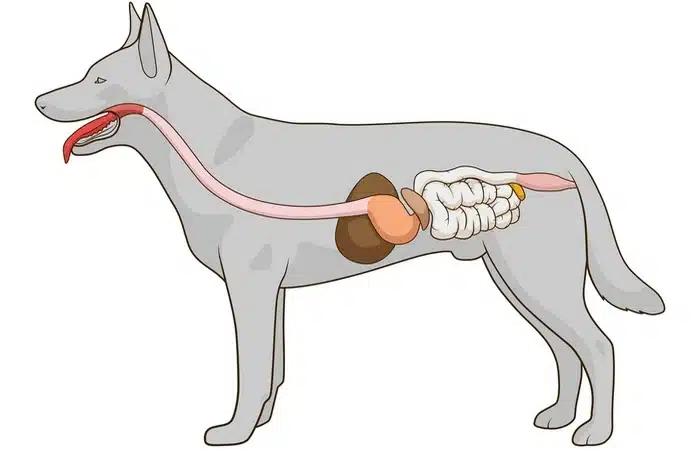
The impact of fiber extends beyond the digestive system and weight management. Research indicates that a diet high in fiber can lower the risk of developing certain diseases, such as diabetes and colon cancer, in dogs. Fiber’s ability to regulate blood sugar levels is crucial in preventing diabetes, while its role in promoting a healthy gut environment can reduce the risk of colon cancer by aiding in the removal of carcinogens from the digestive tract.
Moreover, fiber is beneficial for dogs suffering from specific health issues, including anal gland problems and irritable bowel syndrome (IBS). For dogs with anal gland problems, a diet rich in fiber helps create bulkier stools, which can help naturally express the glands during defecation, reducing the risk of impaction and infections. In cases of IBS, fiber helps regulate bowel movements and soothes the digestive tract, providing relief from symptoms such as diarrhea and constipation. These examples underscore the importance of fiber in not only maintaining general health but also in managing and preventing specific health conditions in dogs.
Sources Of Fiber For Dogs

Natural sources of fiber for dogs include a variety of vegetables, fruits, and whole grains. Vegetables such as pumpkin, carrots, and green beans are excellent fiber sources that can be easily added to a dog’s diet. Fruits like apples (without the seeds) and blueberries offer both soluble and insoluble fiber, plus the added benefit of antioxidants. When introducing these foods, it’s essential to do so gradually and in moderation to avoid digestive upset. Whole grains, such as brown rice and oatmeal, also provide valuable fiber and should be cooked to improve digestibility.
Incorporating these fiber sources into a dog’s diet not only boosts fiber intake but also enriches their meals with essential vitamins and minerals. However, it’s crucial to recognize that not all dogs have the same dietary tolerances. Some dogs may have allergies or sensitivities to specific fruits, vegetables, or grains. Therefore, monitoring a dog’s response to new food items is vital, and adjustments should be made based on their individual needs. Consulting with a veterinarian can provide guidance on the best sources of fiber for each dog, ensuring their diet is both nutritious and well-tolerated.
How Much Fiber Is Too Much?

Symptoms of excessive fiber intake in dogs include gas, bloating, and diarrhea. While fiber is beneficial for digestive health, too much can lead to discomfort and nutrient malabsorption. This is because excessive fiber can interfere with the absorption of essential nutrients, such as proteins and minerals, potentially leading to nutritional deficiencies. Dogs consuming too much fiber might also experience reduced appetite due to the feeling of fullness, further complicating their nutritional intake.
To avoid the negative effects of excessive fiber, it’s important to balance fiber intake based on a dog’s specific dietary needs and activity level. The optimal amount of fiber varies from one dog to another, depending on factors such as age, size, and health status. Regular veterinary check-ups can help determine the right balance, ensuring a diet that supports health without causing digestive distress. Any dietary changes should be introduced slowly, allowing the dog’s digestive system to adjust and reducing the risk of adverse reactions.
Adjusting Fiber In A Dog’s Diet

Introducing more fiber into a dog’s diet should be a gradual process. A sudden increase in fiber can cause digestive upset, such as diarrhea or constipation. To prevent this, start with small amounts of high-fiber foods mixed into the regular diet, slowly increasing the proportion over several weeks. This allows the dog’s digestive system to adapt to the change without discomfort. Paying close attention to the dog’s bowel movements and overall well-being during this transition period is crucial for identifying the optimal fiber intake.
When adjusting fiber in a dog’s diet, monitoring their response is key. Signs of a positive response include regular, firm bowel movements and an improvement in conditions such as diarrhea or constipation. However, if adverse effects are observed, it may be necessary to revise the dietary changes. In some cases, consulting with a veterinarian is advisable to ensure the dietary adjustments are beneficial and do not compromise the dog’s health. Veterinarians can offer tailored advice based on the dog’s specific dietary needs and health conditions.
Misconceptions About Fiber In Dog Food

One common myth is that high-fiber dog food is universally beneficial. However, just as with humans, the dietary needs of dogs vary greatly, and what is beneficial for one may not be suitable for another. High-fiber diets are not always the answer and can sometimes lead to issues such as nutrient malabsorption and digestive discomfort. It’s crucial to understand the difference between a diet that is high in healthy, natural fiber sources and one that is filled with unnecessary fillers. These fillers can bulk up food but offer little nutritional value, potentially leading to health issues over time.
Another misconception is that all fiber sources are equal, leading some to choose dog foods based on the fiber content alone without considering the source of that fiber. Quality matters significantly when it comes to fiber in dog food. High-quality fiber sources, such as those from vegetables, fruits, and whole grains, provide not only fiber but also essential vitamins and minerals. In contrast, low-quality fillers contribute little to the dog’s health and may even cause harm. Educating oneself on the ingredients list of dog food products is essential for making informed decisions that prioritize a dog’s health and well-being.
The Bottom Line
Fiber plays an indispensable role in a dog’s diet, supporting digestive health, aiding in weight management, and contributing to overall well-being. However, it’s essential to strike the right balance, as both insufficient and excessive fiber can lead to health issues. Natural sources of fiber, such as vegetables, fruits, and whole grains, can provide the necessary nutrients when properly incorporated into a diet. Monitoring a dog’s response to dietary changes is crucial for ensuring their well-being. Ultimately, each dog is unique, and dietary needs vary. Consulting with a veterinarian is the best way to ensure a diet that supports a dog’s health, accounting for their individual requirements and lifestyle. By understanding and respecting the role of fiber, dog owners can contribute significantly to their pets’ health and happiness.


