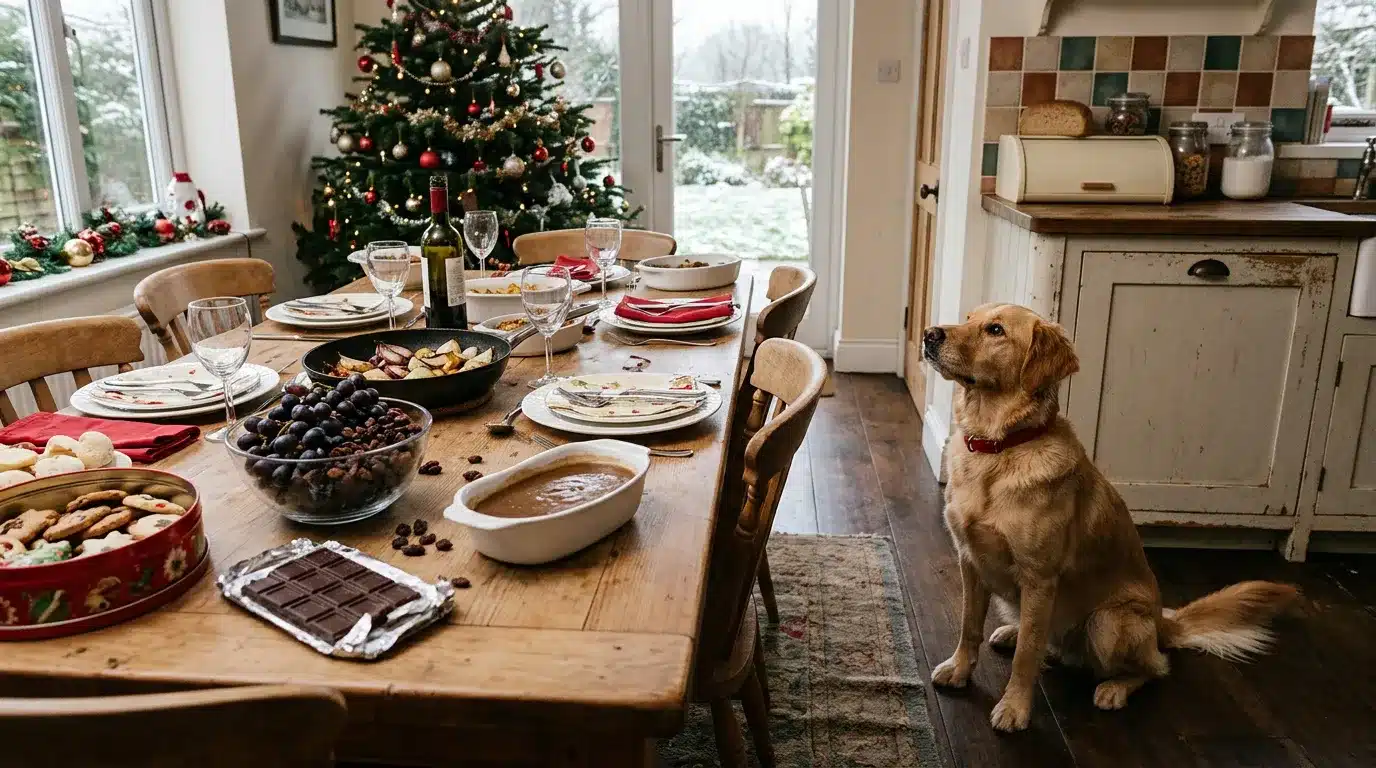
8. Waiting by the Door and Reacting to Your Absence
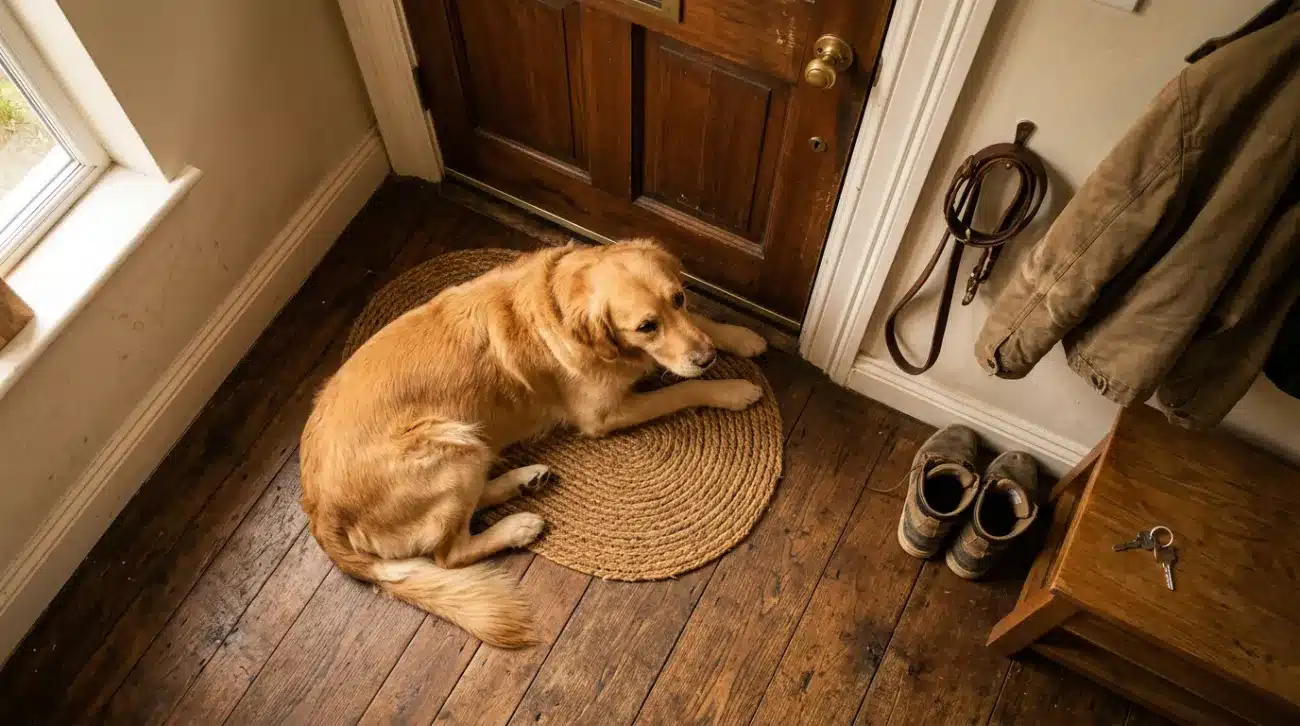
For many dogs, one of the most telling moments comes when the people they love leave the house. Some wait calmly, some pace or whine, and some settle only after they hear a familiar car or footsteps. Mild waiting behavior is common and not necessarily a sign of distress. Separation-related problems, however, are widely recognized in dogs and can involve excessive barking, destruction, house soiling, or signs of panic when left alone. Pet owners who are concerned can use a pet camera to observe what happens during their absence and bring that information to a veterinarian or qualified behavior professional, who can suggest a suitable plan.
9. Twitching, Whimpering, and Dreaming While You Look Away
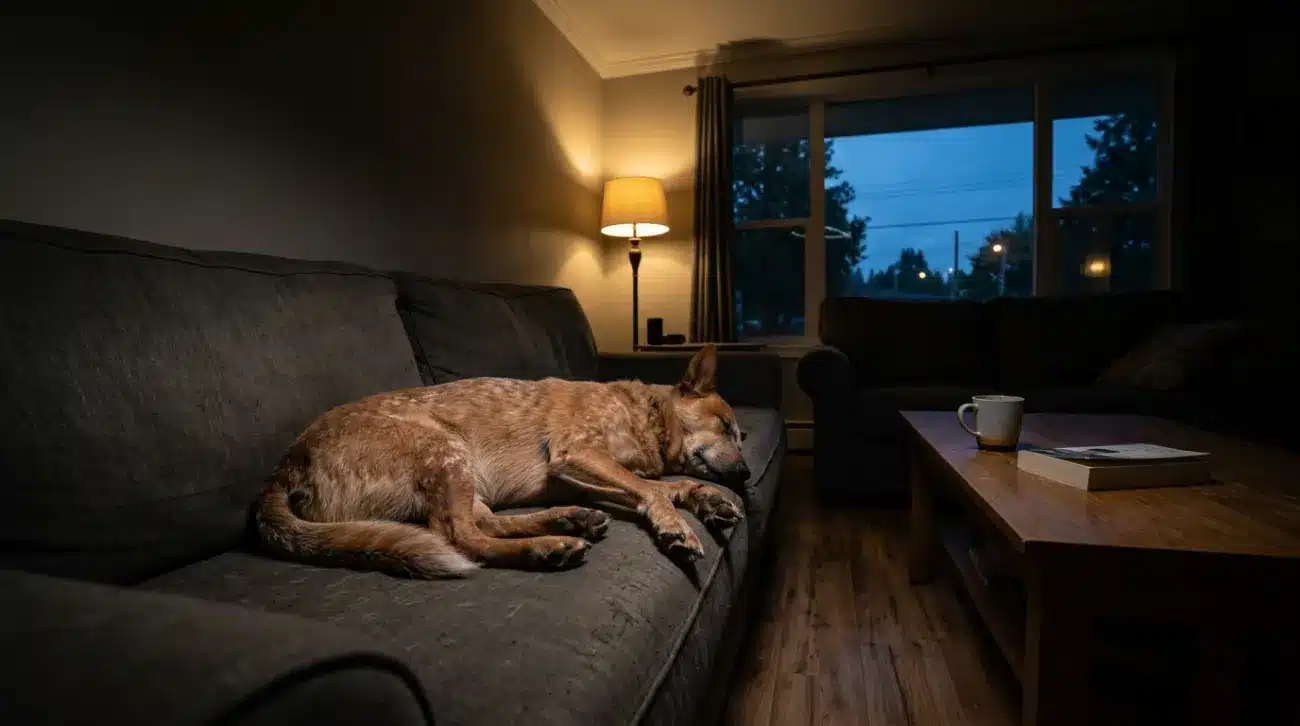
Many owners notice their dog paddling their legs, making soft muffled sounds, or twitching during sleep. Dogs go through different stages of sleep, including a stage similar to the one in which humans do most of their dreaming, and these movements are generally considered a normal part of that process. Scientists cannot know precisely what a dog is dreaming about, so any claim about specific dream content remains speculation. In most cases it is best to let a dreaming dog sleep. If movements seem unusually violent, last a long time, or are followed by confusion, it is sensible to speak with a veterinarian.
Context box: normal habit or reason to ask a vet?
Most of the behaviors above are ordinary parts of dog life. A pattern that is new, intense, or interferes with eating, sleeping, or comfort is a good reason to consult a veterinarian or qualified behavior professional rather than guess at the cause.
Why Dogs Behave Differently When Attention Shifts
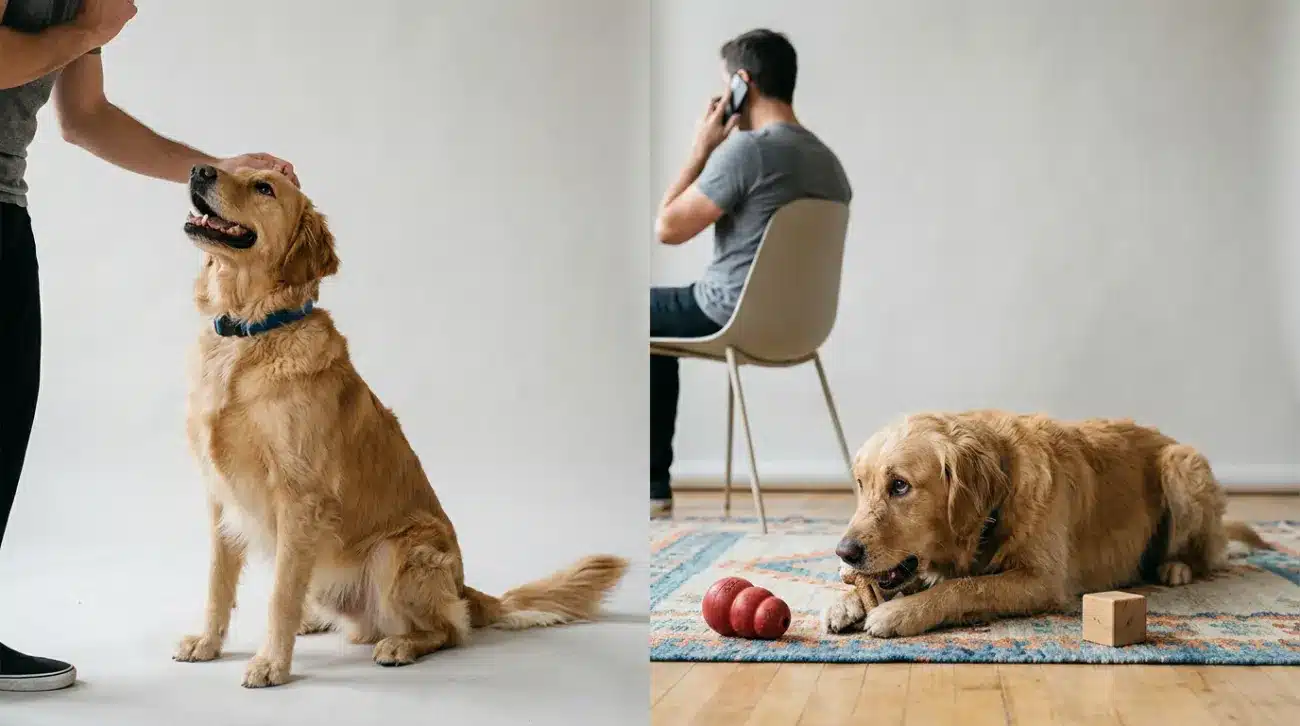
Taken together, these habits reveal something about how dogs think about the people around them. Dogs learn which actions bring rewards, which bring correction, and which go unnoticed, and they adapt accordingly. Breed tendencies, age, past experiences, and individual personality all shape what a particular dog does in a quiet moment. A herding breed may keep close watch on the household, while a scent-driven dog may spend free time following trails around the yard. Because every dog is an individual, the most useful approach is observation: noticing what your dog does, when it happens, and whether the behavior seems relaxed or stressed.
Using What You Notice to Support Your Dog’s Health
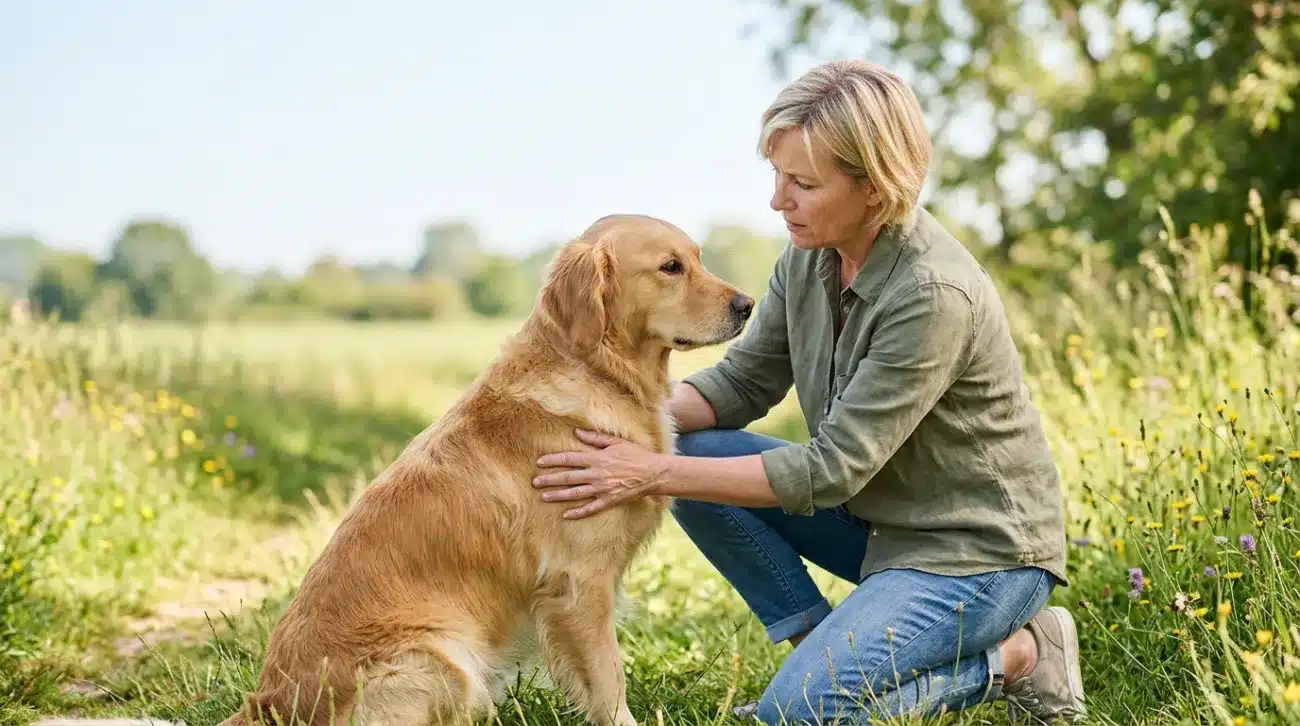
Paying attention to the small things your dog does when you are distracted can also support their health and well-being. Changes in appetite, sleep, licking, chewing, or reactions to being alone can be early clues that something is off, whether physically or emotionally. Providing regular exercise, mental stimulation, safe chew toys, and predictable routines can reduce many of the boredom-driven habits owners find frustrating. When concerns remain, a veterinarian can help separate medical causes from behavioral ones and recommend the right next step.
What Your Dog’s Private Moments Say About Your Bond
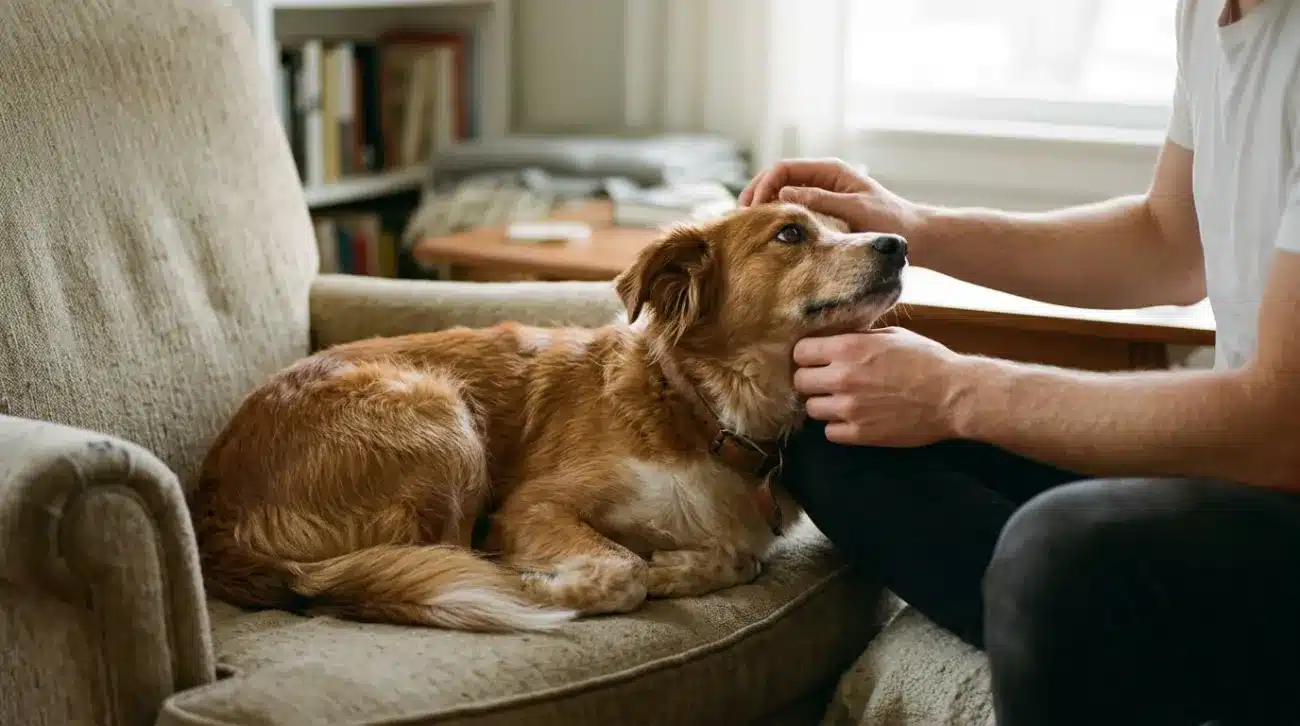
The secret life of a dog is rarely very secret, and most of what happens when you look away is a blend of rest, curiosity, opportunism, and quiet devotion. Watching you, napping nearby, investigating smells, borrowing a sock, and waiting for your return all show an animal that is closely tuned in to the people and place it calls home. By noticing these small habits without assuming too much about what they mean, you can better meet your dog’s needs, protect them from avoidable risks, and recognize the rare moments when a behavior is a signal worth sharing with your veterinarian.