Dog Behavior Guide
9 Things Your Dog Does When You’re Not Paying Attention
A look at the quiet habits dogs show when attention drifts elsewhere, and what they can tell owners about canine behavior.
If you have ever wondered what your dog does when you are not paying attention, you are far from alone. Most owners have glimpsed it: a head quickly lifting off the sofa, a sock that has mysteriously moved rooms, or a dog who seems to have been watching you the whole time. The things your dog does when you are distracted are not random quirks. They reflect natural canine instincts, learned habits, and the close attachment dogs form with the people they live with. Understanding nine of the most common behaviors can help you read your dog more accurately, appreciate their inner life, and recognize the moments when a habit may deserve a closer look.
1. Keeping Quiet Tabs on You and Your Movements
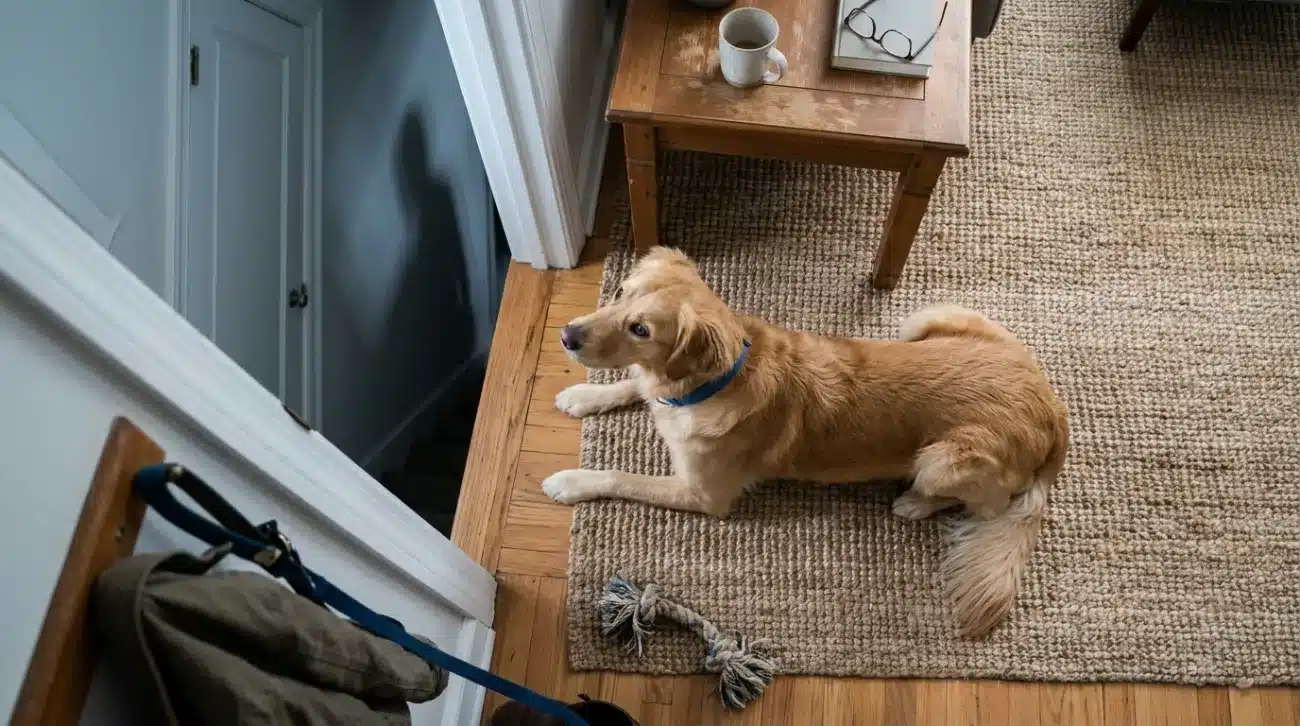
Dogs are social animals that have lived alongside people for a very long time, and they tend to pay close attention to their human companions. Even when you believe your dog is dozing in the corner, they are often tracking where you go, what you carry, and whether you are heading toward the kitchen or the front door. Many owners notice a dog who lifts an ear or opens one eye when a cupboard opens or a leash rattles. This low-level monitoring is a normal part of how dogs stay connected to their household, and it is one reason they often seem to know what is about to happen before you do.
2. Napping Far More Than You Might Realize
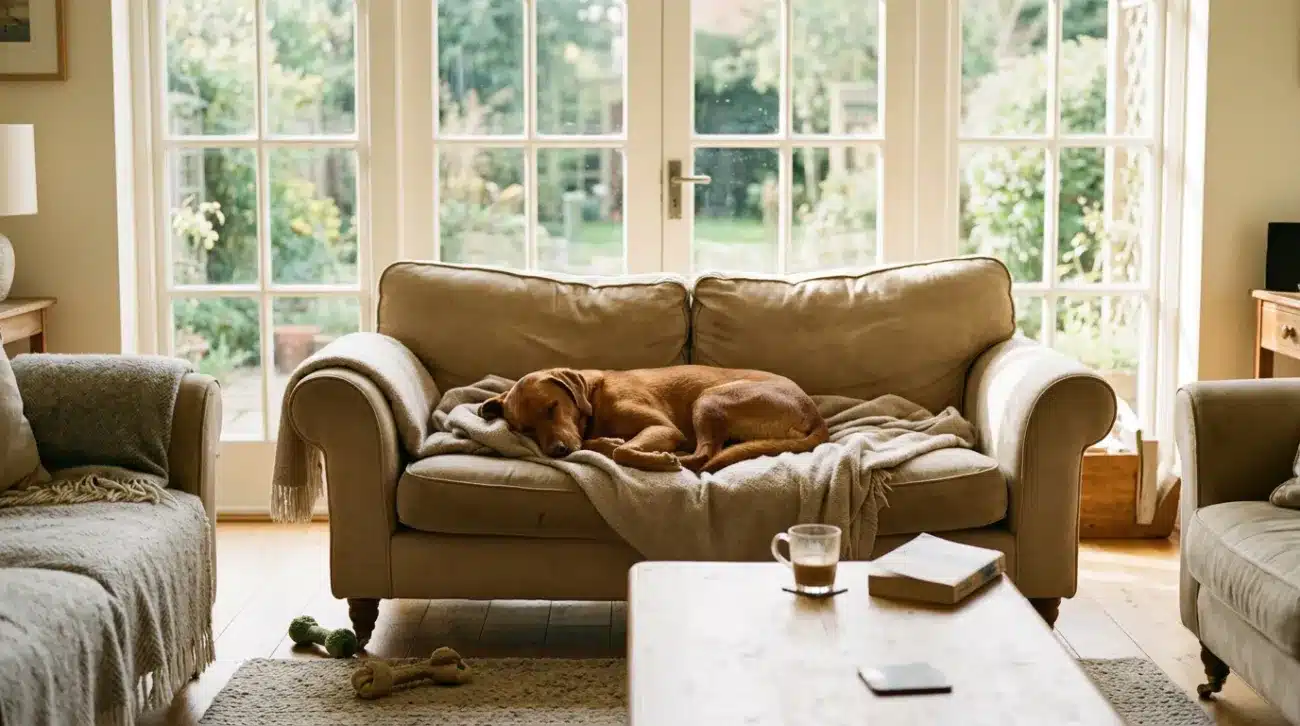
Adult dogs generally sleep for a large part of the day, and puppies and senior dogs typically need even more rest. Much of what looks like waiting around is actually rest, often taken in short stretches rather than one long block. Dogs also tend to adjust their sleep to the rhythm of the household, so a dog may nap while you work and become lively when you return. If your dog seems to be asleep every time you glance over, that is usually ordinary canine behavior. A sudden change in sleep patterns, however, can be worth mentioning to a veterinarian.
3. Sniffing, Patrolling, and Watching the World Outside
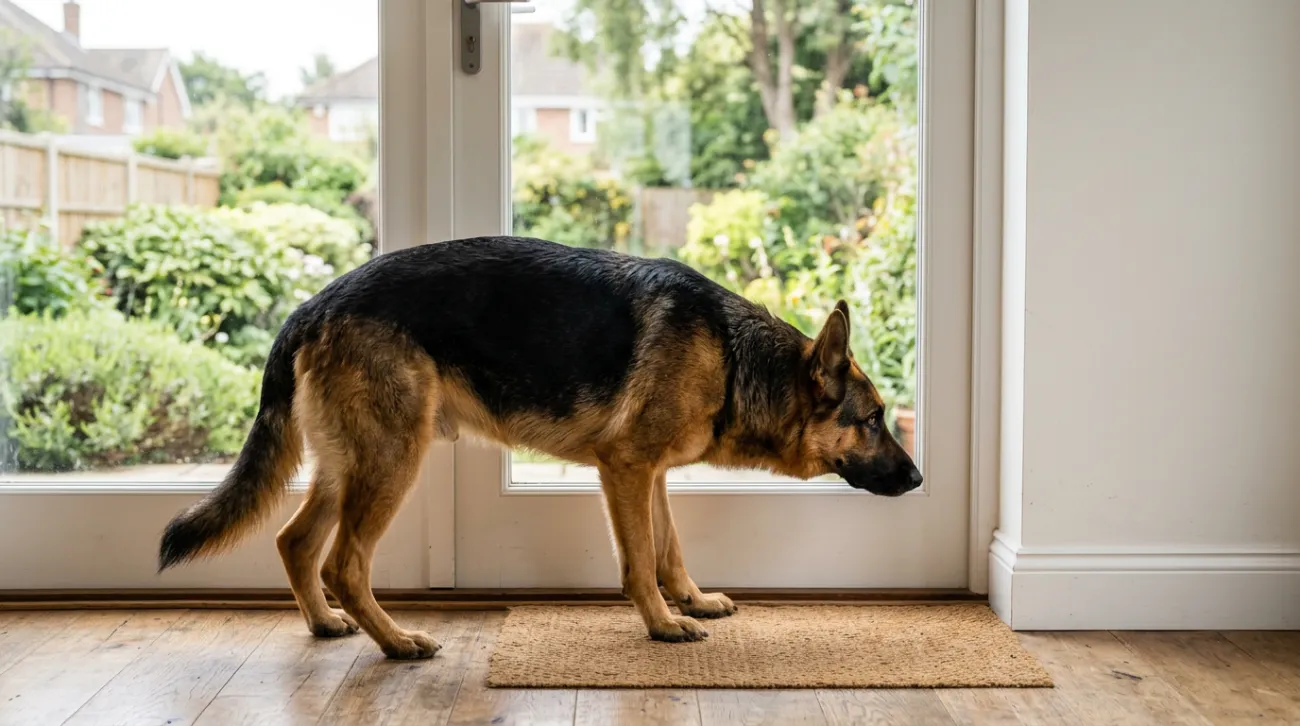
A dog’s sense of smell is far more developed than a human’s, and much of their understanding of the world comes through scent. When you are busy, many dogs wander the home to check familiar spots, investigate new odors, or follow traces left by visitors, other pets, or the day’s weather. Others settle at a window to observe passersby, squirrels, and delivery drivers. This is mental enrichment as much as entertainment, and it helps explain why some dogs become restless when a long stretch of the day passes without much to sniff or see.
4. Sneaking Onto the Furniture
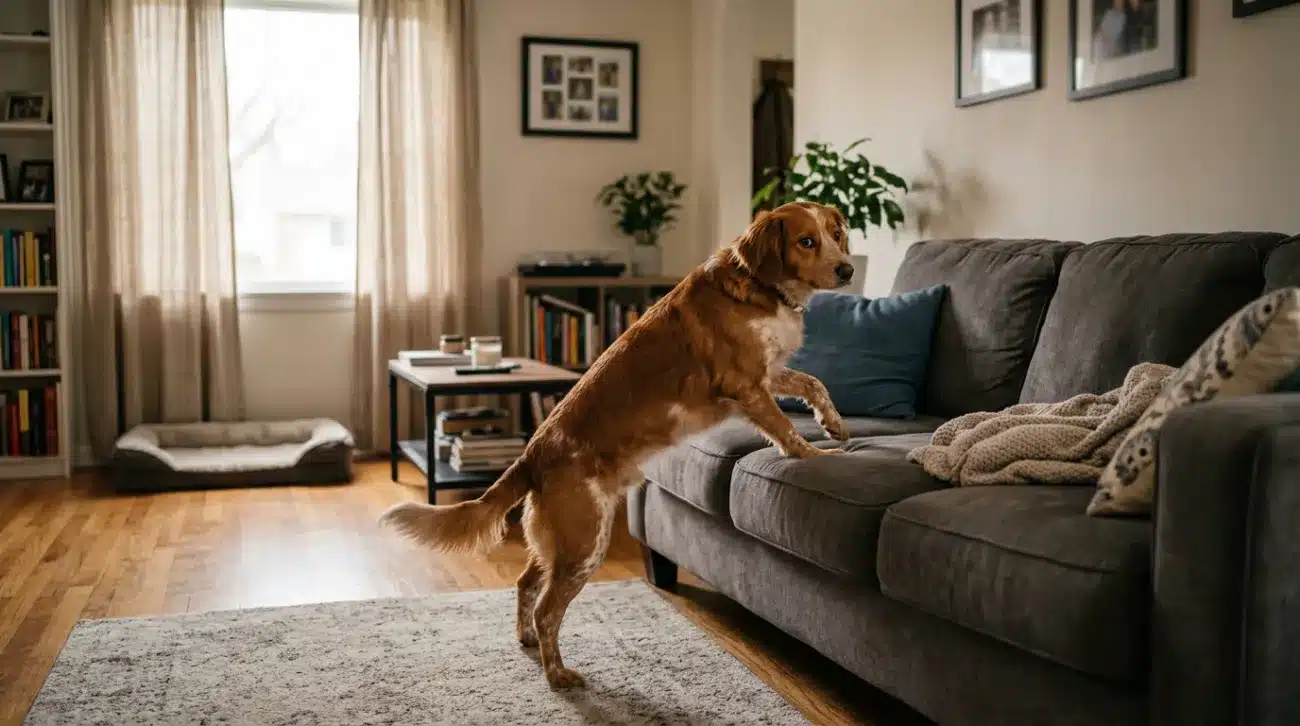
Many dogs that are not supposed to be on the couch or bed know exactly how to enjoy it when nobody is looking. Furniture is soft, warm, and smells strongly of their favorite people, which makes it very appealing. Owners often discover the evidence afterward in the form of a warm cushion, a pile of fur, or a dog who suddenly jumps down when they walk in. Dogs are good at learning which behaviors lead to consequences in your presence, so they may simply wait until you leave the room. If you want the furniture to stay off limits, consistent rules and a comfortable dog bed placed nearby usually work better than scolding after the fact.
5. Helping Themselves to Food Within Reach
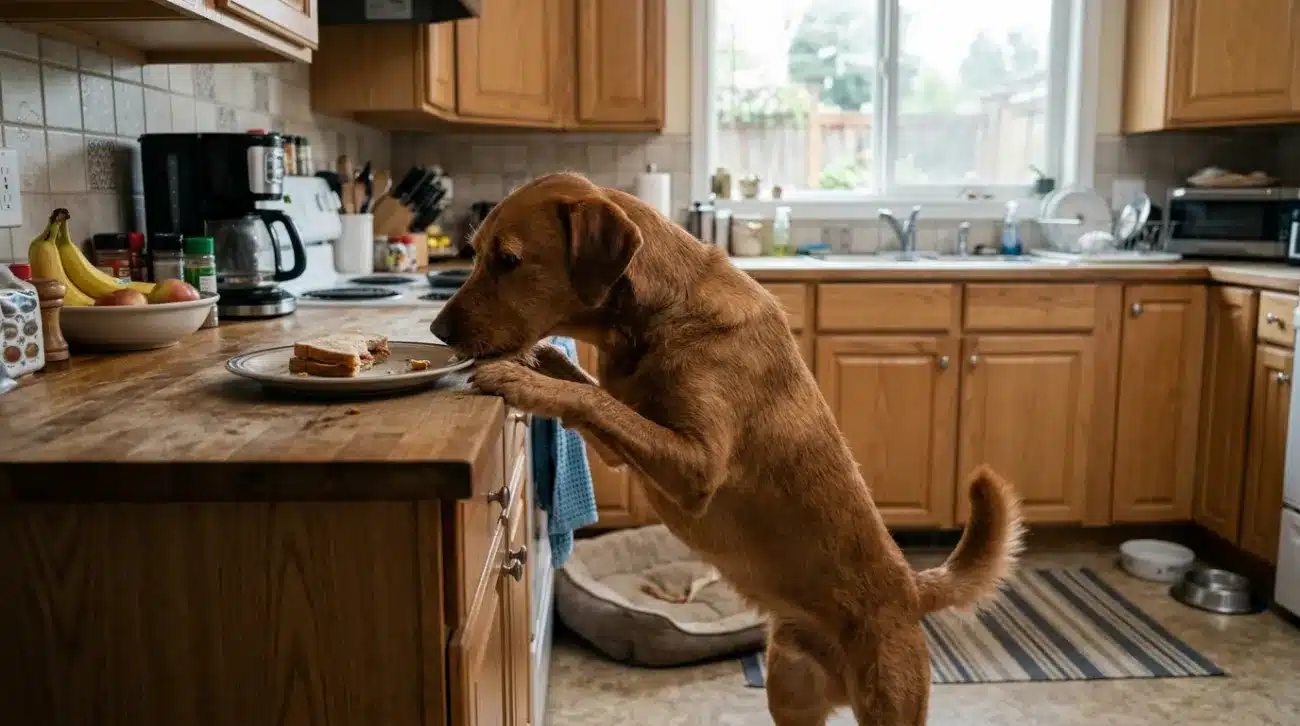
Food is a powerful motivator for most dogs, and an unattended counter, trash can, or coffee table snack can be a tempting opportunity. Research on dog behavior has explored how dogs respond to human attention when food is involved, and some studies have suggested that dogs are more willing to take forbidden food when they believe a person cannot see them. This does not mean a dog feels guilt or plans a heist in a human sense. It more likely shows that dogs are sensitive to cues about whether a person is watching. The practical lesson for owners is to manage the environment by keeping food and trash secured, because some foods that people eat, such as chocolate, grapes, raisins, and items sweetened with xylitol, can be dangerous for dogs.
6. Collecting and Carrying Off Your Belongings
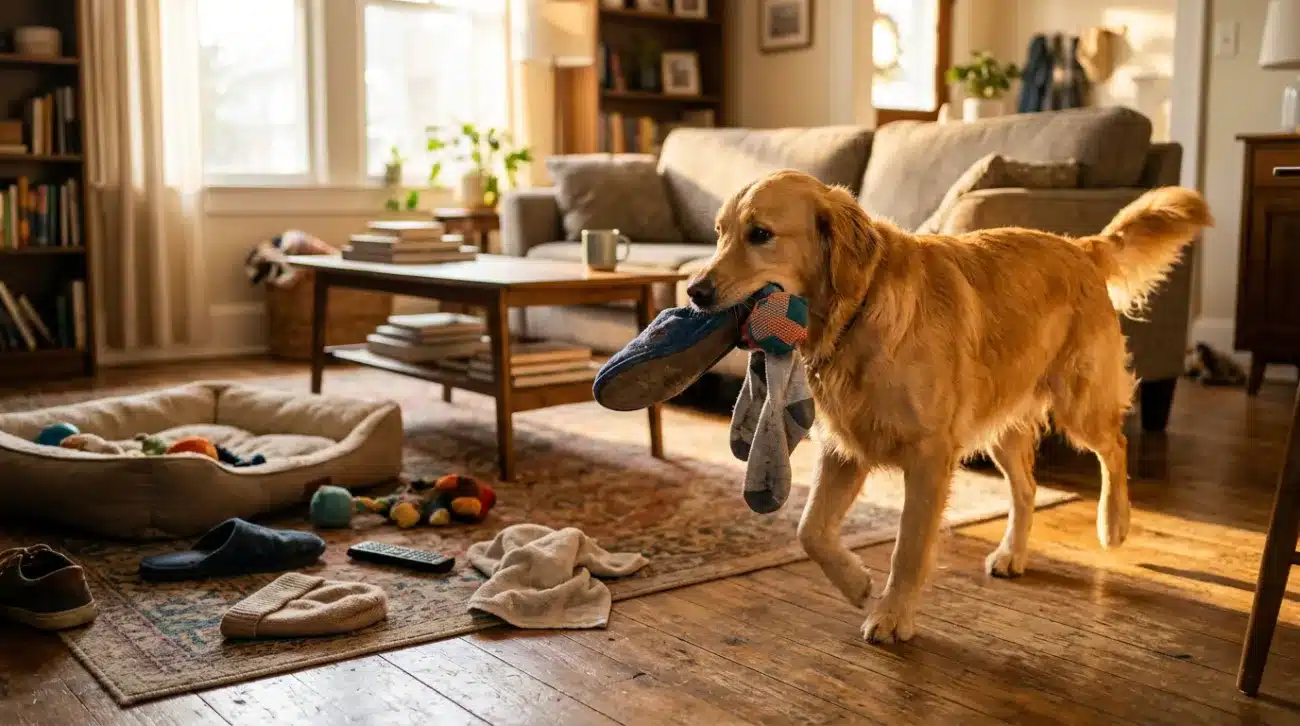
Socks, shoes, remote controls, and towels often seem to vanish when a dog is nearby. Items that carry your scent can be comforting, and carrying objects is a natural way for many dogs to explore with their mouths. Some dogs also learn that picking up a prized object leads to chase games or attention, which can reinforce the habit. Others simply like to gather items in a favorite spot, such as a bed or crate. Offering appropriate chew toys and trading items calmly, rather than chasing, can help redirect the behavior safely, especially since swallowed fabric or small objects can cause serious health problems.
7. Chewing and Licking to Pass the Time or Self-Soothe
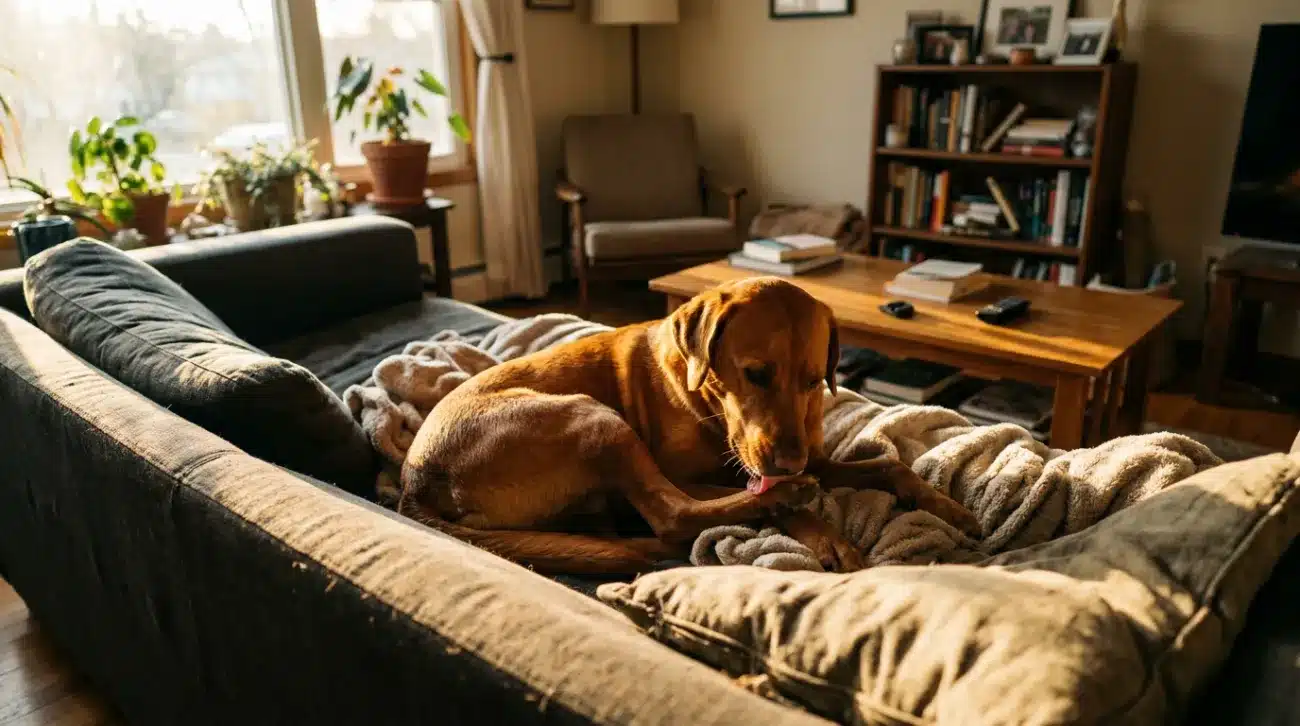
Chewing is a normal canine activity, and it can serve many purposes, including exploring, relieving boredom, easing teething discomfort in puppies, and calming down. Licking, whether of paws, furniture, or floors, can also be a way for dogs to settle themselves. In moderation these habits are usually harmless, but they can become a concern when they are intense, constant, or lead to damaged skin or destroyed belongings. Veterinary and behavior professionals commonly point out that persistent licking or chewing may be linked to boredom, anxiety, or a medical issue such as skin irritation, so a checkup can help rule out physical causes.