

Holiday Foods That Could Send Your Pet to the Vet
Understanding which festive treats pose serious health risks to dogs and cats during the holiday season.
The holiday season brings an abundance of rich foods into our homes, and while the festive feasts create cherished memories for families, they also present significant dangers for our four-legged companions. Holiday foods that could send your pet to the vet range from seemingly harmless table scraps to ingredients that are genuinely toxic to dogs and cats. Veterinary clinics across the country report notable increases in emergency visits during major holidays, with many cases directly related to pets consuming food items that their digestive systems simply cannot handle. Understanding which foods pose the greatest threats can help pet owners navigate the season safely while still enjoying their celebrations.
Chocolate and Sweet Treats: A Serious Toxicity Risk

Chocolate remains one of the most well-known toxic foods for dogs and cats, yet it continues to be a leading cause of pet poisoning calls during the holiday season. The compounds theobromine and caffeine, both found in chocolate, cannot be metabolized effectively by pets. Dark chocolate and baking chocolate contain the highest concentrations of these substances, making even small amounts potentially dangerous. Milk chocolate, while less concentrated, can still cause significant problems if consumed in larger quantities.
The symptoms of chocolate toxicity typically appear within six to twelve hours of ingestion and may include vomiting, diarrhea, rapid breathing, increased heart rate, and in severe cases, seizures or cardiac failure. The severity of symptoms depends on the type of chocolate consumed, the amount ingested, and the size of the pet. A small dog eating a few ounces of dark chocolate faces a much more serious situation than a large dog consuming the same amount of milk chocolate.
High-Risk Sweet Items
Beyond chocolate, many holiday desserts contain xylitol, an artificial sweetener that is extremely toxic to dogs. Xylitol can cause a rapid release of insulin, leading to dangerous drops in blood sugar levels. It is commonly found in sugar-free candies, baked goods, gum, and some peanut butter brands. Even small amounts can cause hypoglycemia, seizures, liver failure, or death in dogs.
Toxic Ingredients Hiding in Holiday Meals

Many traditional holiday dishes contain ingredients that are harmful to pets, often in ways that are not immediately obvious to pet owners. Onions and garlic, whether raw, cooked, or in powdered form, belong to the allium family and can cause damage to red blood cells in dogs and cats, potentially leading to anemia. These ingredients appear in stuffing, gravy, casseroles, and countless other holiday staples. Cats are particularly sensitive to allium toxicity, though dogs are also at significant risk.
Grapes and raisins present another serious hazard, and they frequently appear in holiday fruit salads, baked goods, and as standalone snacks. The exact toxic compound in grapes and raisins has not been definitively identified, but the effects are well documented. Even small quantities can cause acute kidney failure in dogs, and some animals appear to be more sensitive than others. Because there is no way to predict which dogs will have severe reactions, veterinary professionals recommend avoiding any exposure entirely.
Common Holiday Foods and Their Pet Toxicity Level
Rich and Fatty Foods: Pancreatitis Concerns

Holiday meals tend to be rich in fats, from buttery mashed potatoes to gravy-drenched turkey skin, and these indulgences can spell trouble for pets. Dogs and cats are susceptible to pancreatitis, an inflammation of the pancreas that can be triggered by consuming high-fat foods. The condition can range from mild to life-threatening and often requires veterinary intervention. Symptoms typically include vomiting, abdominal pain, loss of appetite, and lethargy.
Ham and other fatty meats are particularly problematic during the holidays. Beyond their high fat content, many holiday hams are cured with large amounts of salt, which can lead to excessive thirst, urination, and in severe cases, sodium ion poisoning. Turkey skin, bacon drippings, and fatty trimmings that might seem like harmless treats can actually set the stage for a painful and potentially dangerous episode of pancreatitis.
Bones and Choking Hazards
Cooked bones, especially from turkey and chicken, become brittle and can splinter when chewed. These sharp fragments can cause choking, intestinal blockages, or punctures in the digestive tract. While many people believe giving dogs bones is natural, cooked poultry bones pose serious risks that can require emergency surgery to resolve.
Alcoholic Beverages and Unbaked Dough
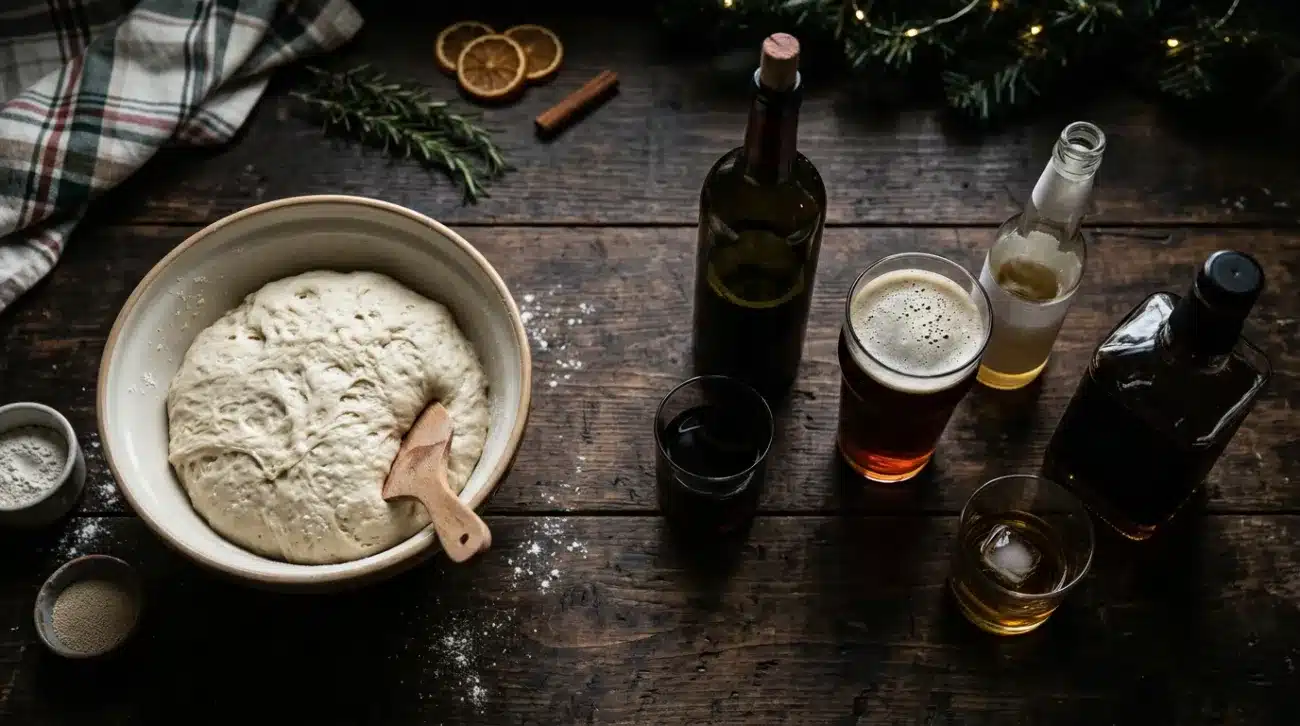
The holiday season often means open bottles of wine, cocktails left on coffee tables, and festive punches within easy reach of curious pets. Alcohol affects dogs and cats much more severely than it affects humans. Even small amounts can cause vomiting, diarrhea, difficulty breathing, decreased coordination, central nervous system depression, and in extreme cases, coma or death. Pets are drawn to sweet-tasting alcoholic beverages, making eggnog and certain cocktails particularly appealing and dangerous.
Unbaked bread dough presents a double threat to pets. When ingested, the warm environment of a pet’s stomach causes the yeast in the dough to continue rising, which can lead to painful bloating and potentially life-threatening gastric dilation. Additionally, as the yeast ferments, it produces alcohol, which is then absorbed into the bloodstream. The combination of physical expansion and alcohol toxicity makes raw yeast dough a serious emergency if consumed by a pet.
Watch for Symptoms
Vomiting, diarrhea, excessive drooling, lethargy, loss of coordination, or difficulty breathing may indicate your pet has consumed something toxic. Act quickly if you notice these signs.
Safe Alternatives
Plain cooked turkey meat without skin, plain cooked sweet potato, carrots, and green beans can be safe holiday treats for most pets when given in moderation.


