Grain-free diets for dogs have surged in popularity over the last few years, driven by pet owners’ desire for what they perceive as healthier, more natural food options for their canine companions. This movement towards grain-free food stems from concerns over allergies, digestive health, and diet quality. However, the debate over whether grain-free diets are indeed beneficial or potentially harmful to dogs remains heated among veterinarians, nutritionists, and pet owners. This post aims to uncover the truth about grain-free diets for dogs, exploring the benefits, addressing misconceptions, and delving into scientific research to provide a well-rounded view.
The Rise of Grain-Free Dog Diets

Grain-free diets for dogs emerged as a trend when pet owners started to look for alternatives that they believed would mimic the ancestral diet of their pets. This shift was also fueled by concerns over grain allergies and the assumption that a grain-free diet would be inherently healthier. Manufacturers were quick to respond, marketing grain-free formulas as a superior option for canine nutrition, which led to a substantial increase in their availability and popularity. Consequently, grain-free products began to dominate store shelves, enticing consumers with promises of improved health and well-being for their pets.
The popularity of grain-free diets is based on the premise that they are closer to the “natural” diet of wild ancestors of dogs. Supporters argue that domestic dogs have not evolved to process grains properly, claiming that grain-free diets offer a solution to this mismatch. However, this perspective often overlooks the fact that domestic dogs have genetically adapted to digest starches from grains, as evidenced by scientific studies. The push towards grain-free diets has, therefore, been driven more by marketing and consumer perception than by a clear understanding of canine nutritional needs.
Understanding Dog Nutrition Basics

Proper nutrition is foundational to a dog’s health, encompassing proteins, fats, carbohydrates, vitamins, and minerals in balanced proportions. Grains, as part of a balanced diet, can provide essential nutrients, including carbohydrates for energy, fiber for digestive health, and essential fatty acids. Despite the common belief that dogs thrive on a meat-only diet, the reality is that a variety of ingredients, including grains, can contribute to overall health and wellness. Understanding the role of each nutrient and how it supports bodily functions is crucial for making informed decisions about a dog’s diet.
Critics of grain-free diets often highlight the lack of evidence supporting the notion that grains are inherently bad for dogs. In fact, grains can be a source of valuable nutrients that contribute to a healthy diet. Whole grains, in particular, offer benefits such as supporting healthy digestion and providing energy. It’s vital for dog owners to recognize that excluding grains entirely without a valid medical reason, such as a diagnosed grain allergy, may not necessarily enhance their pet’s health and could potentially overlook the benefits that grains can offer.
Benefits of Grain-Free Diets
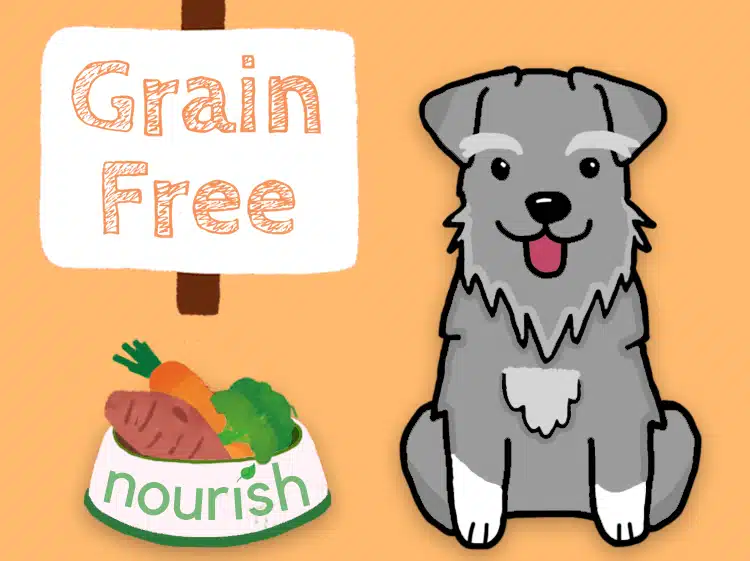
Advocates for grain-free diets often cite improvements in coat quality, skin health, and energy levels as key benefits. They argue that by eliminating grains, which are perceived as fillers, dogs may absorb more nutrient-dense foods, leading to these visible health improvements. Some pet owners even report significant changes in their pets’ vitality and overall health after switching to grain-free diets, fueling the belief that these diets are superior. It is these anecdotal successes that continue to drive the popularity of grain-free options among pet communities.
However, it is essential to note that not all dogs may experience these benefits, and the improvements observed could be due to other dietary changes, such as introducing higher-quality proteins or eliminating specific allergens unrelated to grains. In certain cases, dogs with specific health issues or sensitivities may indeed thrive on a grain-free diet, particularly if advised by a veterinarian. This underscores the necessity of tailoring a dog’s diet to their individual health needs rather than adopting a one-size-fits-all approach.


