

The Differences Between Species
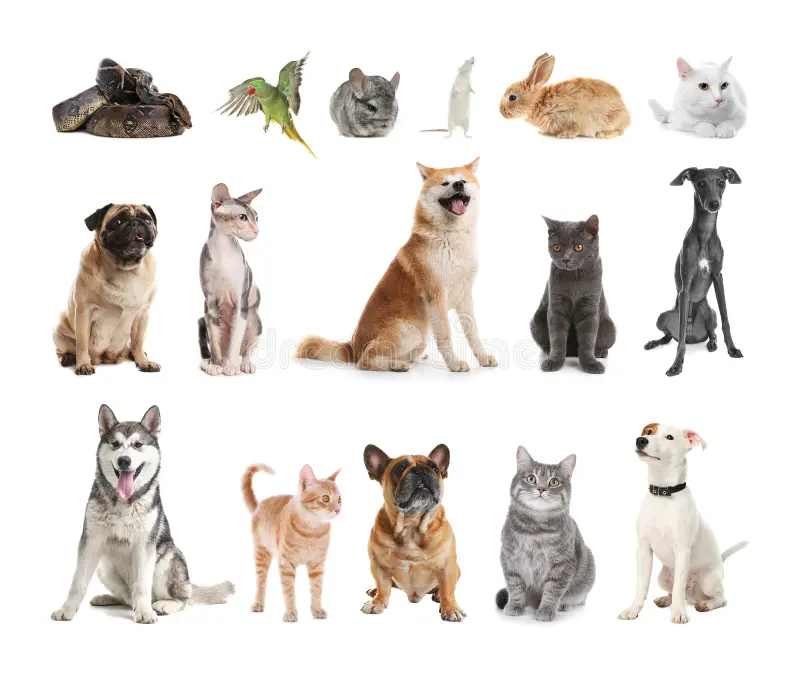
Not all pets perceive or express their understanding of human emotions in the same way. Dogs, for example, are often celebrated for their ability to read and respond to human emotions, a trait that has been honed through thousands of years of domestication and close companionship with humans. Cats, on the other hand, may seem more aloof, but they too can exhibit a keen understanding of their owner’s feelings, often through more subtle cues like purring, kneading, or simply staying close by their human during times of stress or sadness. The ways in which different species express empathy and understanding can vary widely, reflecting their unique evolutionary paths and relationships with humans.
Birds, particularly parrots, offer another fascinating example of emotional intelligence in pets. Known for their social nature and ability to mimic human speech, parrots can also show remarkable sensitivity to their owner’s emotional states. They may change their vocalizations or become more affectionate in response to their human’s mood, indicating an awareness and response to emotions that rivals that of more traditionally empathetic pets like dogs and cats. This diversity in how different species understand and react to human emotions enriches the human-pet dynamic, offering a wide range of experiences and connections.
Can Pets Feel The Same Emotions as Humans?

The question of whether pets can feel the same emotions as humans is complex, given the difficulty of measuring emotions across different species. While pets clearly demonstrate basic emotions such as joy, fear, and affection, the extent to which they experience more complex emotions, such as guilt, pride, or altruism, remains a topic of debate among scientists and pet owners alike. This uncertainty stems from the challenge of interpreting animal behavior without anthropomorphizing or wrongly attributing human characteristics to non-human entities.
Nevertheless, the depth of the bonds that form between pets and their owners suggests that, regardless of the exact nature of their emotional experiences, pets do engage in emotionally meaningful interactions with humans. Pets often appear to exhibit behaviors that indicate a level of empathy and concern for their human companions, such as comforting them during times of distress. These behaviors suggest that pets are capable of experiencing a range of emotions that, while perhaps not identical to human emotions, are complex and rich enough to foster deep and meaningful connections.
The Impact of Human Emotions on Pets

Pets are not just passive recipients of human care and affection; they are also deeply affected by the emotional climates of their human households. Dogs, for example, can become anxious or stressed in response to tension and anger in their environment, mirroring the emotional state of their owners. This suggests that the emotional well-being of pets is closely intertwined with that of their human companions, highlighting the importance of maintaining a positive and stable emotional environment for the benefit of all members of the household.
The reciprocal nature of the emotional influence between pets and their owners underscores the need for pet owners to be mindful of their emotional expressions and states when interacting with their pets. Positive emotions, such as happiness and calmness, can have a beneficial effect on pets, leading to behaviors that reflect contentment and security. Conversely, chronic stress or negativity can lead to behavioral issues in pets, indicating the profound impact human emotions can have on their well-being. This interdependence emphasizes the importance of emotional awareness and regulation in fostering a healthy and mutually beneficial human-pet relationship.
Enhancing the Human-Pet Emotional Connection

Strengthening the emotional bond between pets and their owners can lead to a more fulfilling relationship for both parties. Engaging in activities together, such as playing, walking, or simply spending quiet time in each other’s company, can deepen the connection and enhance mutual understanding. These shared experiences not only provide opportunities for pets to read and respond to their owner’s emotions but also allow owners to become more attuned to their pet’s emotional needs and expressions.
Communication plays a vital role in enhancing the human-pet bond. For pet owners, learning to recognize and interpret their pet’s unique signals of emotion—be it through body language, vocalization, or behavior—can improve their ability to respond appropriately and provide support or reassurance when needed. Conversely, consistent and positive interactions with pets can teach them to understand and trust their human companions more deeply. This mutual understanding and respect form the foundation of a strong emotional connection, enriching the lives of both pets and their owners.
Dive Deeper into Your Pet’s Emotional World
The journey through understanding pets’ emotional capabilities reveals a profound connection between humans and their animal companions. Recognizing and nurturing this bond not only enriches your life but also enhances the well-being of your pets. As you continue to explore the depths of their emotional intelligence, take the time to be more attentive and responsive to the emotional cues of your furry, feathered, or scaled friends. By doing so, you strengthen a relationship built on mutual respect, empathy, and love.


