Taking care of your furry friend involves more than just providing food and love; it also means ensuring their overall health, including their paws. Dog paws, often overlooked, play a crucial role in a dog’s life, acting as shock absorbers, providing insulation, and assisting with balance. This comprehensive guide will walk you through everything you need to know about caring for your dog’s paws, from understanding their structure to identifying common problems and providing solutions.
Getting To Know Your Dog’s Paws

Did you know that a dog’s paw is a complex structure? It consists of multiple parts – pads, claws, and fur. Each part has a specific function, contributing to the durability and versatility of the paw. Understanding this structure can help you ensure that your dog’s paws remain healthy. Furthermore, recognizing the importance of paw health can contribute to improving your dog’s overall comfort and mobility.
In addition to understanding the structure of dog paws, it’s important to recognize their function. A dog’s paws are not just there for walking or running; they serve as shock absorbers and provide insulation against different weather conditions. They also help dogs maintain their balance. Unfortunately, even minor injuries or issues can lead to significant discomfort or mobility problems. Therefore, understanding and caring for your dog’s paws is an essential part of responsible pet ownership.
Recognizing Common Paw Problems
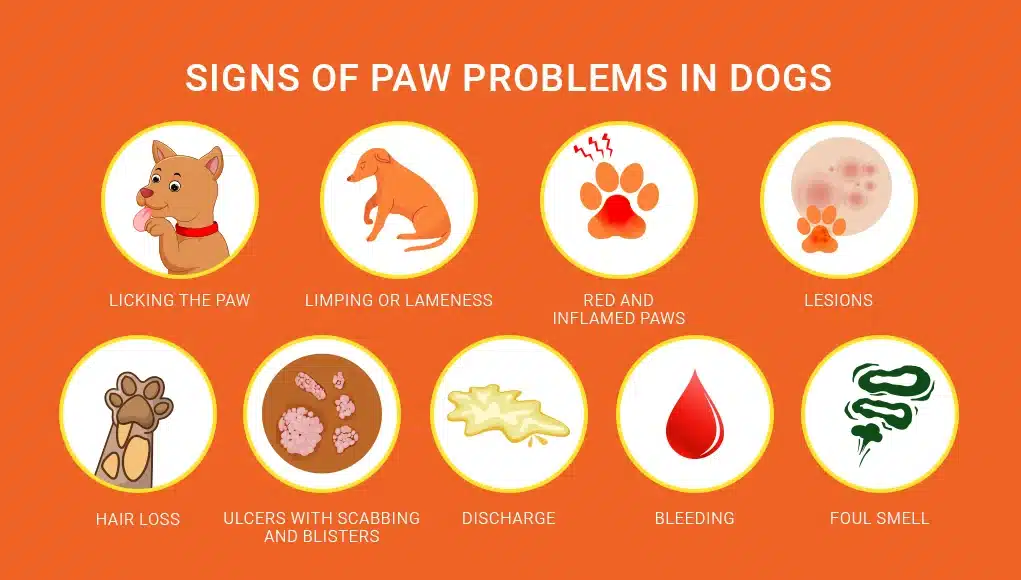
Just like humans, dogs can experience a variety of health issues. Some of these issues can affect their paws, ranging from minor problems like dry and cracked pads to more severe conditions such as infections or injuries. As a dog owner, being aware of these common problems is the first step towards prevention and timely treatment. If left untreated, these issues can cause discomfort and potentially limit your dog’s ability to walk or run.
In addition to being aware of common paw problems, it’s essential to recognize the signs that your dog may be experiencing discomfort. These signs may include limping, excessive licking of the paws, swelling, or noticeable changes in their walk. If you notice any of these signs, it’s crucial to examine your dog’s paws closely. Early detection and treatment can significantly improve your dog’s recovery time and overall health.
The Importance of Regular Paw Checks

Regularly checking your dog’s paws is one of the best ways to ensure their health. These checks can help identify potential issues before they become serious problems. During these checks, look for cuts, scrapes, foreign objects lodged in the pads, and signs of infection. By catching these issues early, you can save your dog from unnecessary pain and discomfort.
Performing a paw check at home is easier than you might think. Start by calming your dog and ensuring they’re comfortable. Then, gently examine each paw, looking for any signs of swelling, redness, or injuries. If you notice anything unusual, don’t hesitate to consult with a vet. Regular paw checks are an easy and effective way to maintain your dog’s paw health.
The Essentials of Proper Paw Cleaning

Keeping your dog’s paws clean is vital for preventing many paw-related issues. Dirt and debris can lead to irritation, infections, and injuries if not properly cleaned. By incorporating regular paw cleaning into your pet care routine, you can help maintain your dog’s paw health and spot any abnormalities early on.
Cleaning your dog’s paws is a simple process that can be easily included in your regular grooming routine. Use a gentle, pet-friendly soap and warm water to clean each paw. Make sure to rinse thoroughly to remove all soap and debris. After cleaning, dry the paws properly to prevent moisture-related issues. Remember to be gentle during this process to avoid causing any discomfort or stress to your dog.


