

Composition Techniques

The composition is the arrangement of elements within your frame, which can turn an ordinary photo into a work of art. One of the most well-known composition techniques is the Rule of Thirds. Imagine your frame is divided into nine equal segments by two vertical and two horizontal lines. Placing your pet along these lines or at their intersections can create a more balanced and visually appealing image. This technique draws the viewer’s eye to the subject, making the photo more engaging.
Another useful composition technique is filling the frame. By zooming in or moving closer, you can make your pet the focal point of the image, eliminating any distracting background elements. This technique is particularly effective for capturing intricate details like the texture of your pet’s fur or the sparkle in their eyes.
Getting Your Pet To Pose

Getting your pet to cooperate for a photo session can sometimes be the most challenging part of pet photography. Treats and toys can be handy for directing your pet’s attention and encouraging specific poses. For example, holding a treat above the camera can get your pet to look directly into the lens, giving you that perfect eye contact shot. However, it’s crucial to reward your pet after they’ve given you the pose you want, reinforcing positive behavior.
Patience is another essential ingredient for successful pet photography. Your pet may not understand what you’re trying to achieve, so it’s important to be patient and wait for the right moment. Sometimes, the best shots come from spontaneous actions, so keep your camera ready to capture those unexpected yet adorable poses.
Capturing Emotion
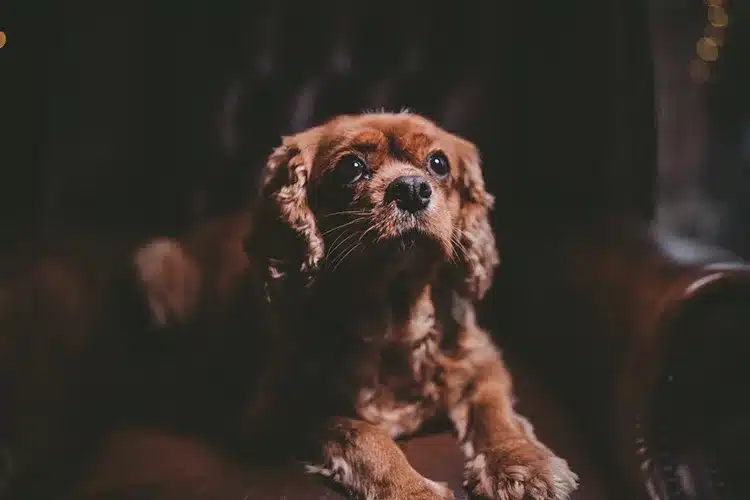
Capturing emotion in pet photography can add a layer of depth that transforms a simple photo into a touching keepsake. One of the best ways to capture emotion is to focus on the eyes. Eyes are often described as the windows to the soul, and this holds true for pets as well. A sharp focus on the eyes can convey a range of emotions, from joy and excitement to contemplation.
Candid moments often provide the best opportunities for capturing genuine emotion. These are the instances when your pet is naturally expressive, perhaps while playing with a toy or interacting with other animals or people. Keep your camera ready to capture these fleeting moments, as they can result in some of the most heartwarming and authentic photos.
Post-Processing Tips
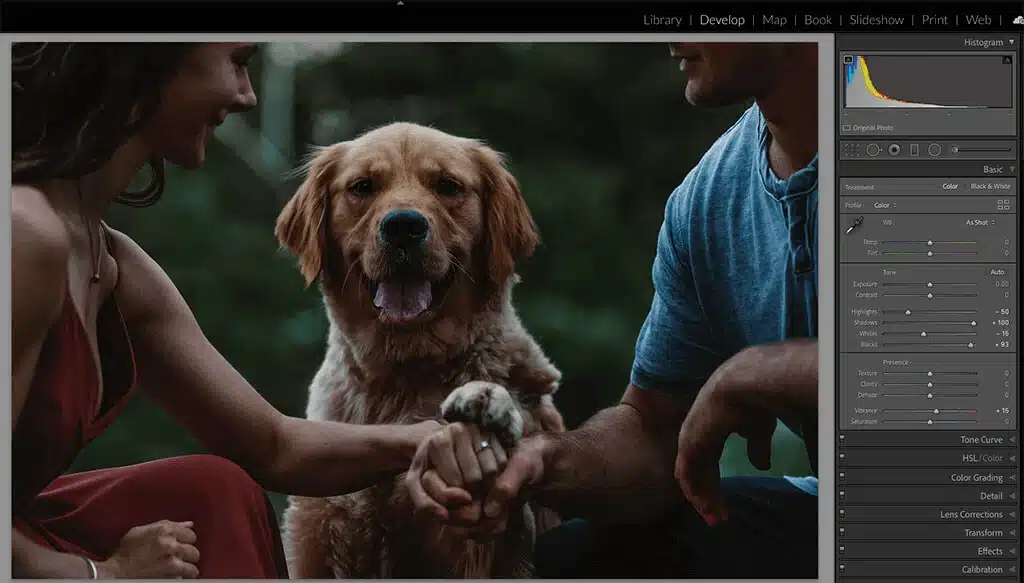
After capturing your perfect shot, post-processing can add that extra polish to make your photos truly stand out. Basic edits like adjusting exposure, contrast, and color balance can make a significant difference. Software like Adobe Lightroom or Photoshop offers a range of tools to enhance your images. Even simple adjustments like cropping can focus attention on your pet and remove distracting elements from the background.
For those who want to get more creative, filters and effects can add a unique touch. Black and white filters can lend a timeless quality, while a vignette effect can draw focus to the center of the image. However, it’s important to use these effects sparingly; the goal is to enhance the photo, not overshadow your pet’s natural beauty.
Your Journey To Pro Pet Photography Awaits!
You’ve journeyed through the intricate world of pet photography, from the initial preparations and choosing the right equipment to mastering lighting and composition. Along the way, you’ve learned how to get your pet to pose, capture emotion, and even add some post-processing flair. Now, you’re not just taking photos; you’re creating memories that will last a lifetime. So, what are you waiting for? Your pet is ready for their close-up, and the perfect shot is just a click away. With these tips in hand, you’re well on your way to photographing your pet like a pro!


