The Pet Care Habits That Could Shorten an Animal’s Life
Everyday choices about food, veterinary care, the home environment and safety can quietly affect how long dogs, cats and birds live.
Most owners want nothing more than a long, comfortable life for their animals, yet some of the pet care habits that could shorten an animal’s life are the ones that feel most loving or most convenient. Extra treats, skipped checkups, a quick errand with the dog left in the car, or a bird kept on a diet of favorite seeds can all seem harmless in the moment. Veterinary organizations and animal poison control services have long documented how these routines add up over months and years. This article looks at the widely recognized habits that can undermine the health of dogs, cats and pet birds, and at the practical changes that can reduce the risk.
Overfeeding and Pet Obesity

Excess weight is one of the most commonly discussed health problems in companion animals, and it often begins with generous portions and frequent treats. Veterinary groups, including the American Veterinary Medical Association, describe obesity as a risk factor for conditions such as diabetes, osteoarthritis and reduced quality of life. In cats, extra weight is also associated with diabetes and joint problems, while in dogs it places added strain on joints and the heart.
One of the best-known pieces of evidence comes from a long-term study of Labrador retrievers published in the Journal of the American Veterinary Medical Association in 2002. Researchers followed littermates fed different amounts of the same food throughout their lives. The dogs given less food stayed leaner and, on average, lived longer, with a median lifespan about 1.8 years greater than their more heavily fed siblings. The study involved a single breed under controlled conditions, so the exact difference may not apply to every animal, but it is frequently cited as a clear illustration of how body condition can influence longevity.
Free feeding, where a bowl is left full all day, can make portion control difficult, particularly in multi-pet homes. Feeding guidelines on pet food labels are a starting point, and a veterinarian can assess body condition and recommend a calorie target suited to an individual animal’s age, activity level and health.
Context
Body condition scoring is a standard veterinary tool for judging whether an animal is underweight, ideal or overweight. Many owners find it easier to track than a number on a scale, and a veterinary team can demonstrate how to check ribs, waist and profile at home.
Skipping Veterinary Visits and Preventive Care
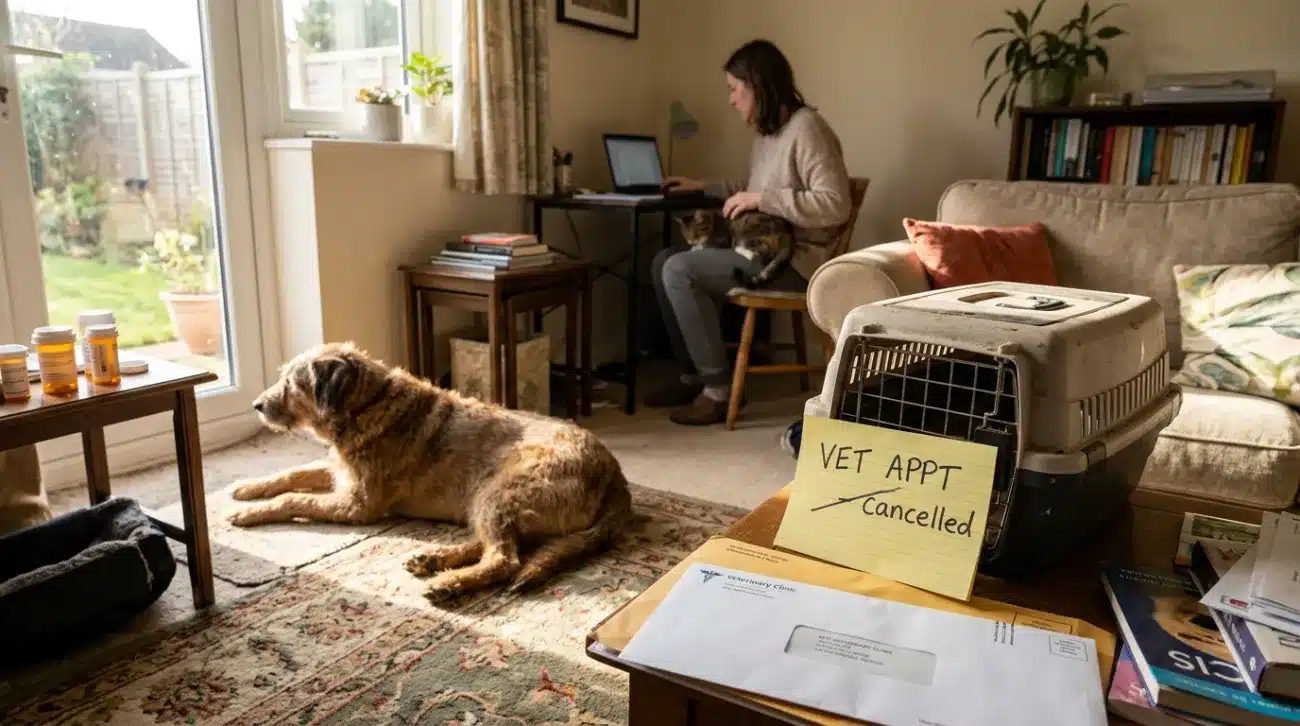
Animals cannot describe symptoms, and they instinctively mask discomfort, so routine examinations are often where problems are first noticed. Veterinary associations generally recommend regular wellness visits, and many suggest more frequent checks for senior animals, since age-related conditions can progress quietly.
Vaccination is a central part of preventive care. Core vaccines for dogs commonly include protection against rabies, distemper, parvovirus and adenovirus, and core feline vaccines typically cover rabies, panleukopenia, herpesvirus and calicivirus. Which vaccines an individual animal needs depends on its age, lifestyle and local requirements, which is why a veterinarian’s guidance matters. Lapses in vaccination can leave animals exposed to serious infectious diseases that are largely preventable.
Parasite control carries similar weight. Heartworm disease is spread by mosquitoes and can damage the heart and lungs. It is most often discussed in dogs, but cats can also be infected. Fleas, ticks and intestinal worms can cause illness as well. Preventive medications are available through veterinarians, and stopping them because an animal seems healthy is a habit that veterinary parasitology groups consistently caution against.
Neglected Dental Health in Dogs and Cats
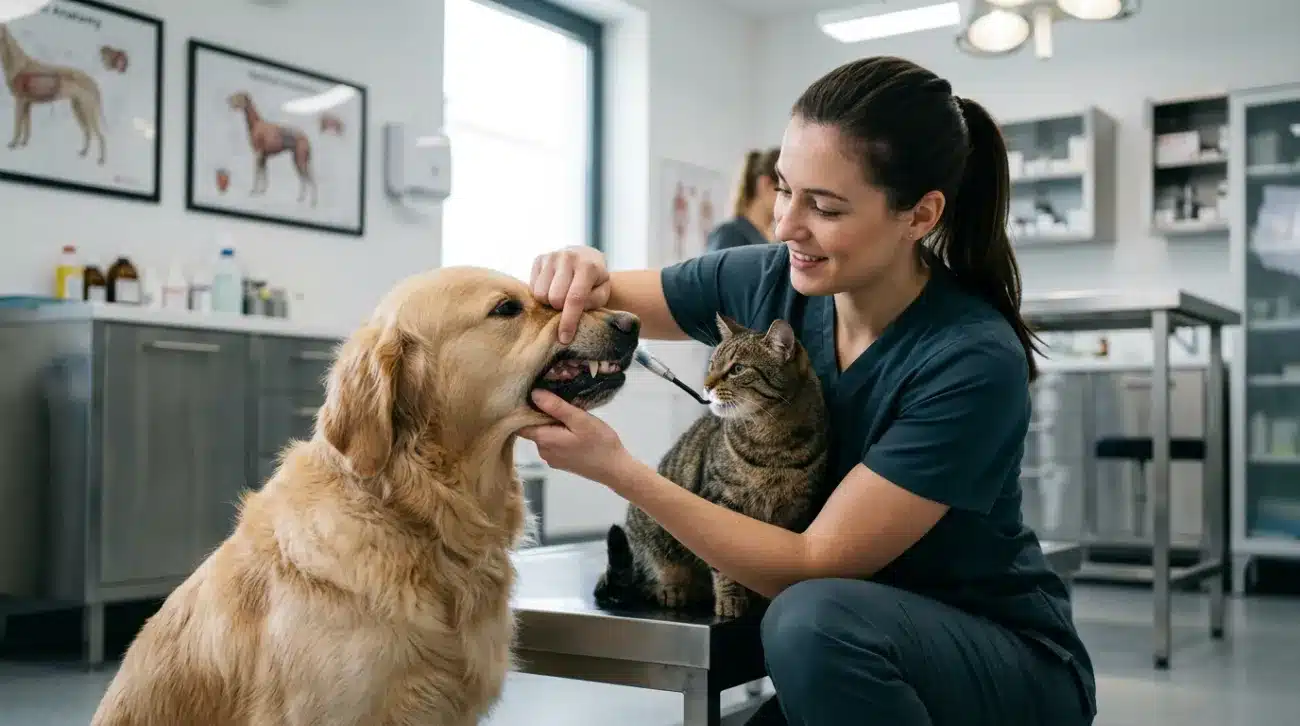
Dental disease is among the most frequently diagnosed conditions in dogs and cats, according to veterinary dental organizations. Plaque and tartar can lead to gum inflammation, painful teeth and tooth loss, and infection in the mouth may allow bacteria to enter the bloodstream. Researchers continue to study how strongly periodontal disease is linked to problems in other organs, so the connection is best described as a recognized concern rather than a settled mechanism for every animal.
Signs that owners often overlook include bad breath, reluctance to chew, drooling and pawing at the mouth. Because pets tend to keep eating despite pain, these signals can be subtle. Daily tooth brushing with pet-safe toothpaste is widely recommended, and professional cleanings under anesthesia, performed by a veterinary team, remain the standard way to treat established disease. Human toothpaste should not be used, because some ingredients are unsafe for animals to swallow.
Household Toxins and Dangerous Foods

Poisoning is a preventable cause of illness and death, and many incidents involve ordinary items found in kitchens and medicine cabinets. The ASPCA Animal Poison Control Center and Pet Poison Helpline both publish lists of hazardous substances. Foods commonly flagged as dangerous to dogs include chocolate, grapes and raisins, onions, garlic, macadamia nuts and anything sweetened with xylitol, an artificial sweetener found in some gum, baked goods and peanut butters.
Cats face their own hazards. Lilies are widely identified as highly toxic to cats, and even small exposures can be dangerous to the kidneys. Human pain relievers are another frequent problem. Ibuprofen and naproxen can harm dogs and cats, and acetaminophen is particularly dangerous to cats. Giving a human medication without veterinary direction is a habit that can turn a well-meant effort into an emergency.
Antifreeze, which contains ethylene glycol, is another well-documented danger because it can taste sweet to animals and is poisonous even in small amounts. Cleaning products, rodent poisons and some houseplants also appear on poison control warning lists. Storing these items out of reach and calling a veterinarian or poison control service quickly if exposure is suspected are the standard recommendations.
Habit Categories at a Glance
Editorial categorization. This grid groups the topics covered in this article and does not present measured data.
Food and Weight
Large portions, constant treats and unmeasured meals that lead to excess weight.
Preventive Medicine
Missed vaccines, parasite prevention and routine examinations.
Home Hazards
Toxic foods, human medications, antifreeze and unsafe plants.
Weather and Safety
Hot cars, extreme temperatures, unsecured yards and missing identification.
Source: editorial summary of the topics discussed in this article.
Heat, Cold and Unsafe Environments
Leaving an animal in a parked vehicle is one of the most widely warned-against habits. Temperatures inside a closed car can climb far above the outside temperature in a short time, and cracking a window does not reliably prevent dangerous overheating. Heatstroke can develop quickly, and flat-faced breeds such as bulldogs and pugs, along with very young, elderly or overweight animals, are generally considered more vulnerable because they cool themselves less efficiently.
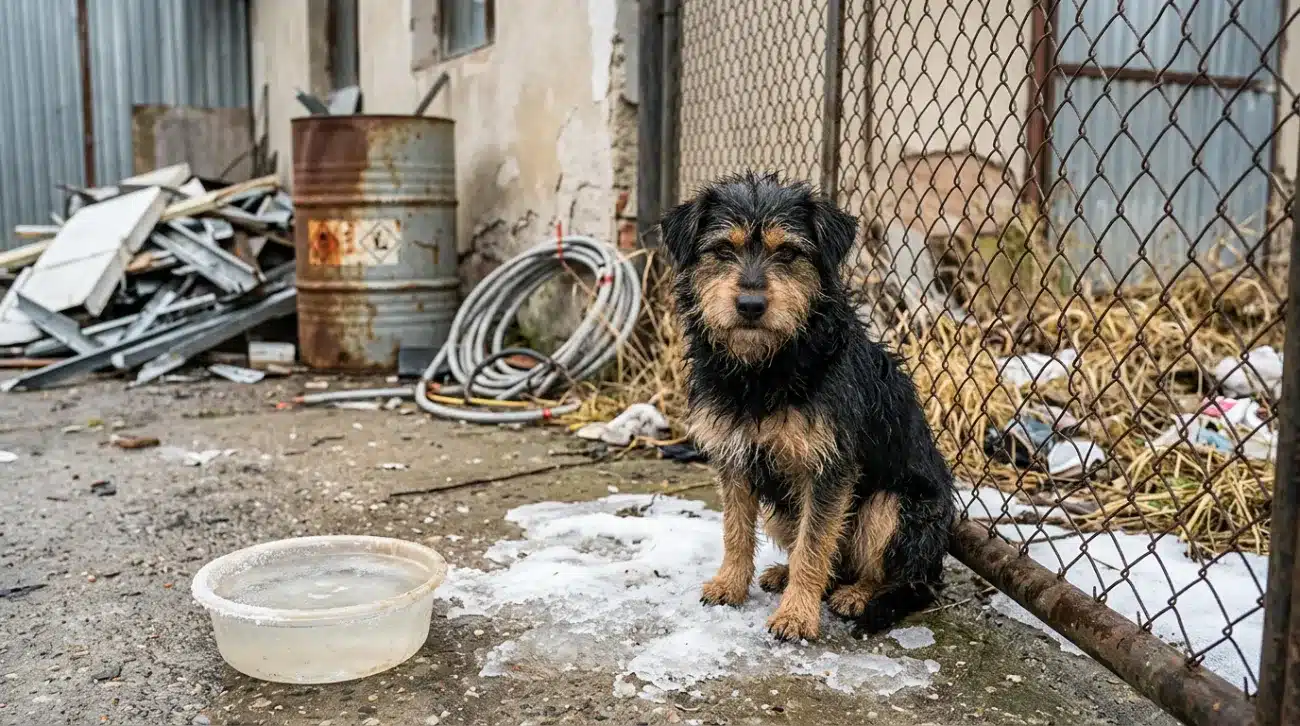
Cold weather brings its own risks. Veterinary and humane organizations advise against leaving animals outdoors for long periods in freezing conditions, and they note that short-haired, small, young and older animals tolerate cold less well. Walks on hot pavement can burn paw pads in summer, and road salt and de-icing chemicals can irritate paws or cause illness if licked off.