Roaming, Leashes and Missing Identification
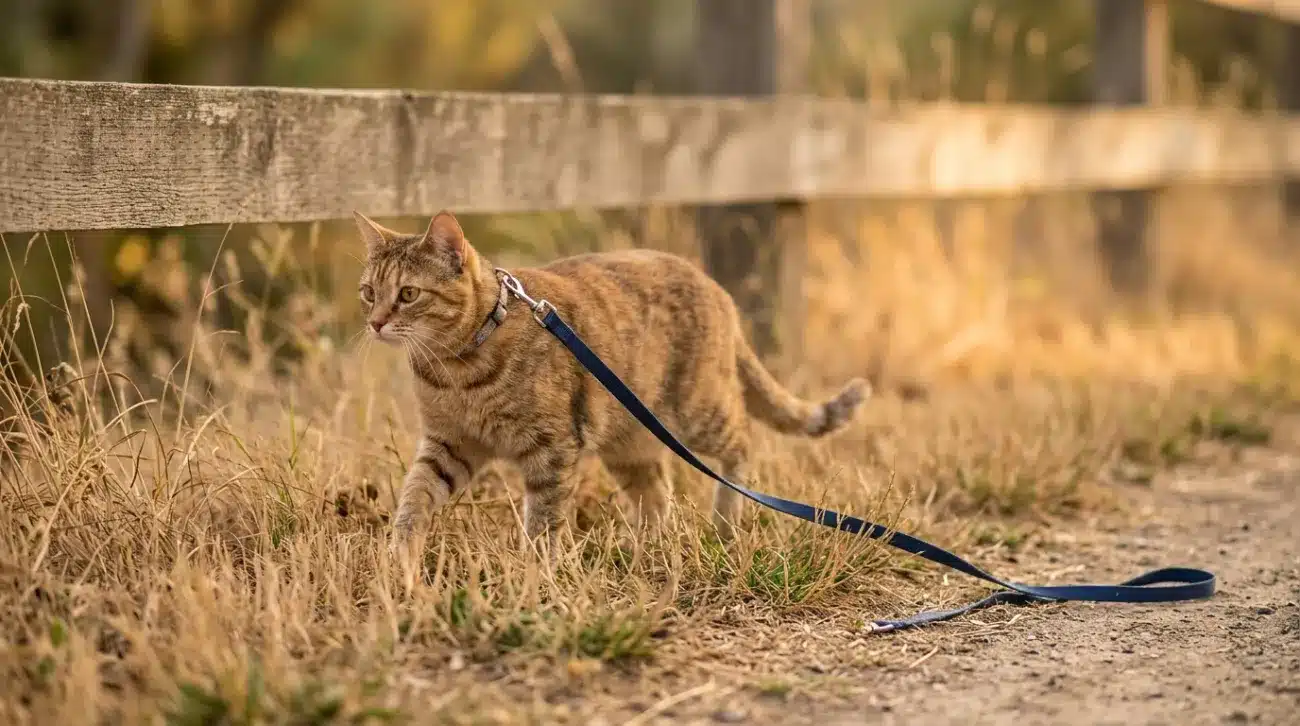
Traffic injuries, fights with other animals, infectious diseases and getting lost are all hazards of unsupervised roaming. Many veterinary and animal welfare groups encourage keeping cats indoors or giving them supervised outdoor time, such as in an enclosed patio or on a harness, while acknowledging that owners weigh these choices differently. For dogs, a fenced yard, a secure leash and a reliable recall reduce the chances of a fatal encounter with a road or another animal.
Identification is a related habit. Collar tags and microchips improve the chances that a lost animal is reunited with its family, and a microchip is only helpful when the registration details are kept current. An animal that never makes it home cannot receive the care it needs, so this small piece of paperwork can matter a great deal.
Pet Bird Care Mistakes

Birds have particular needs that are easy to misjudge. Avian veterinarians commonly caution that diets built mostly on seeds can leave parrots short of key nutrients, and they typically recommend formulated pellets alongside appropriate vegetables, with food choices guided by the species. Avocado is frequently listed as toxic to birds, and chocolate and caffeine are also on standard warning lists.
Air quality is another major concern. Fumes released when non-stick cookware coated with polytetrafluoroethylene, often known by the brand name Teflon, is overheated can be fatal to birds, and veterinary sources also warn against exposing birds to cigarette smoke, aerosol sprays, scented candles and strong cleaning products. Because birds are prey animals that tend to hide illness until they are seriously unwell, fluffed feathers, reduced appetite or changes in droppings deserve prompt attention from a veterinarian experienced with birds.
Missing the Subtle Signs of Illness

A thread that runs through nearly every category above is delay. Pets often show illness through small changes rather than dramatic symptoms, such as drinking more water, eating less, hiding, avoiding stairs, or using the litter box differently. Waiting to see whether a problem resolves can allow a treatable condition to become a serious one. Veterinarians generally encourage owners to describe changes in behavior, appetite, weight and habits, since patterns noticed at home can guide the examination.
Cost and fear can drive hesitation, and talking openly with a veterinary team about options, including preventive plans and payment arrangements, can help. Early care is frequently less invasive than treatment of advanced disease, though outcomes vary with the condition and the individual animal.
Key Takeaway
Few of these risks come from neglect in the dramatic sense. Most come from routines that seem fine, which is why reviewing feeding, medical care, home safety and the daily environment with a veterinarian is one of the most useful steps an owner can take.
Daily Choices That Protect a Pet’s Future
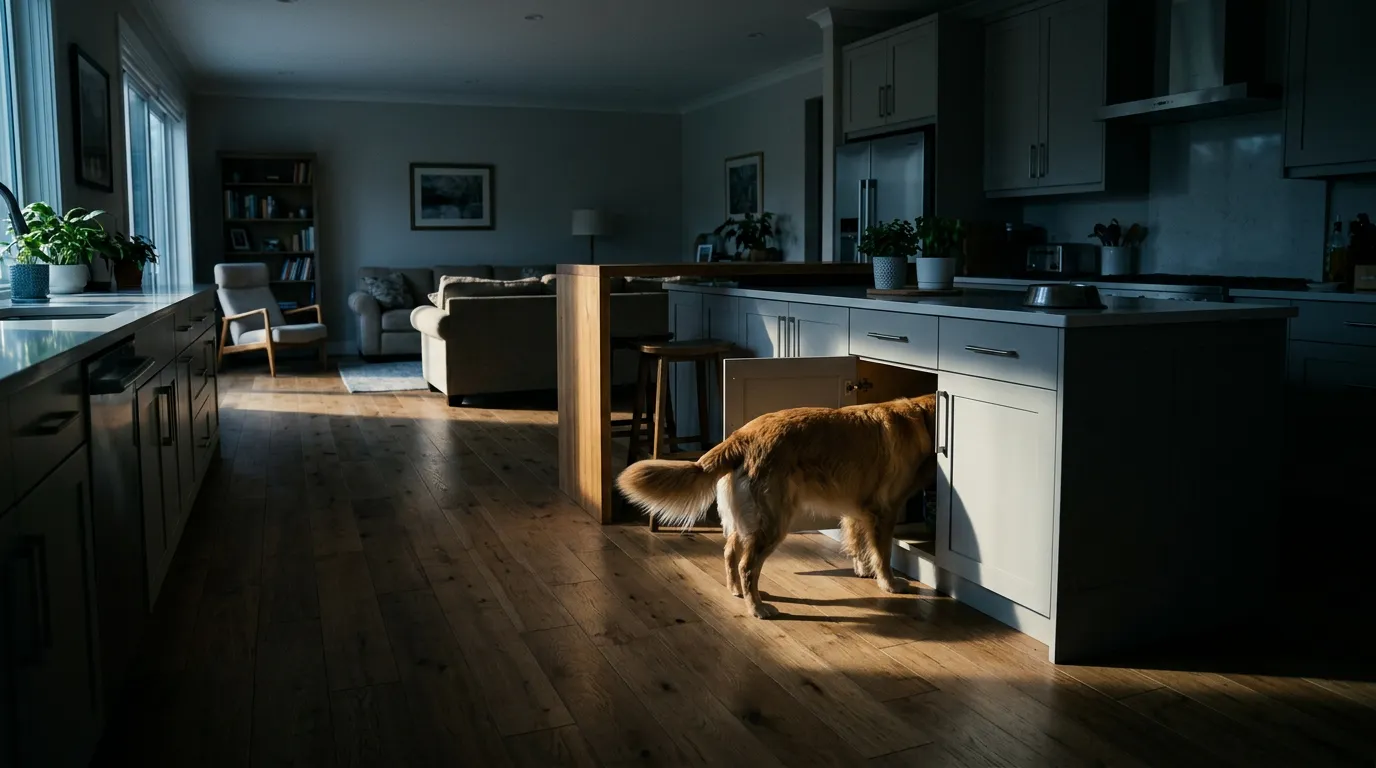
A longer life for a pet rarely depends on one dramatic decision. It is more often built from ordinary habits repeated well: measured meals, regular checkups, parasite prevention, clean teeth, a hazard-free home, safe temperatures, current identification and a quick response when something seems off. Because every animal differs in species, breed, age and health history, a veterinarian remains the best guide for tailoring these practices, and the habits described here are best treated as a starting point for that conversation rather than a replacement for it.
This article provides general information and is not a substitute for professional veterinary advice. If a pet may have swallowed something harmful or shows signs of illness, contact a veterinarian or an animal poison control service immediately.